Table of Contents
ToggleThinking about adding a pool to your backyard but worried about space? You’re not alone. Not every homeowner has a sprawling lot, yet plenty of them want the refresh, recreation, and lifestyle boost a pool brings. The good news: small backyard inground pool ideas have come a long way. Modern designs, smart features, and clever layouts mean you can fit a functional, stylish pool into tight quarters without sacrificing quality or enjoyment. This guide walks through practical options that actually work in compact spaces, from geometric shapes to multi-use decking arrangements, plus budget tips to keep the project realistic.
Key Takeaways
- Small backyard inground pool ideas use geometric shapes like rectangles and octagons to maximize usable water volume while fitting tight spaces efficiently.
- Plunge pools (10-by-15 feet or smaller) and mini lap pools cost 30-40% less than standard pools and work well for cooling off, floating, and modest exercise in compact yards.
- Smart features like sun shelves, saltwater chlorine generators, and variable-speed pumps enhance functionality and reduce maintenance costs by 50-75% without requiring extra footprint.
- Strategic decking and vertical landscaping on two to three sides integrate the pool into your yard rather than making it dominate, while keeping costs down through permeable pavers.
- Small inground pools cost $30,000 to $60,000, but multi-use layouts combining pools with spas, fire pits, or seating areas maximize entertainment value in limited space.
- Budget $1,500 to $3,000 annually for maintenance, but saltwater systems and covers pay for themselves in 3-5 years through energy savings and reduced chemical handling.
Compact Pool Shapes That Maximize Small Spaces
Geometric and Angular Designs
Rectangular pools remain the go-to for tight backyards because they pack the most usable water into the least footprint. A 15-by-30-foot rectangle gives you lap capability in a footprint that fits most suburban lots. Angular or L-shaped pools carve out corners smartly, letting you frame seating or plantings while keeping water volume manageable. Hexagonal or octagonal designs look modern and define the space without feeling cramped.
Geometric shapes also simplify deck construction and equipment placement. Straight edges line up easier with fencing and structures, reducing waste and labor costs. If you’re working with an awkward lot corner, a diagonal cut or chamfered edge can turn a liability into a design feature.
Plunge Pools and Mini Lap Pools
If you can’t accommodate a full-size lap lane, consider a plunge pool, typically 10 by 15 feet or smaller, often 4 to 5 feet deep. These work brilliantly for cooling off, floating, and modest exercise. They’re visually lighter than standard pools and leave room for lounging or landscaping. Mini lap pools (around 12 by 30 feet, 3 to 4 feet deep) split the difference: short enough to fit tight spaces but long enough for a few strokes.
Both options also sidestep some permitting headaches in jurisdictions with minimum-size rules. Check your local building department before design work, some areas have threshold depths or water volumes that trigger different regulatory pathways. A simple 10-by-15-foot plunge sits below many thresholds and costs roughly 30 to 40 percent less than a standard pool, making it a Home Pool: Transform realistic first step for budget-conscious owners.
Smart Features to Enhance Small Pool Functionality
Cramped space doesn’t mean skipping comfort. Incorporating smart jets, bubblers, and modest water features into a small pool adds function without bloating the build. Strategically placed sun shelves, a shallow ledge around 6 to 12 inches deep, let kids splash safely while adults lounge. A sun shelf uses virtually no extra footprint but adds play value and visual interest.
Consider a tanning ledge (an even shallower bench, 2 to 3 inches) for lounging half-submerged. Infinity or disappearing-edge details require careful grading and plumbing but create a perception of space by merging the pool visually with the yard beyond. On a tight lot, even a modest lap lane with an underwater treadmill or current system (like a swim jet) lets you get a workout without needing 50 feet of length.
Automation adds surprising value in small pools. A saltwater chlorine generator (instead of manual dosing) keeps maintenance lighter and less frequent chemical handling. Smart controls let owners monitor and adjust pH, chlorine, and temperature from a phone, crucial when equipment sits close to living spaces. A variable-speed circulation pump cuts energy costs by 50 to 75 percent compared to single-speed units, a real plus if your pool will run year-round or heavy-use seasons.
Decking, Landscaping, and Multi-Use Layouts
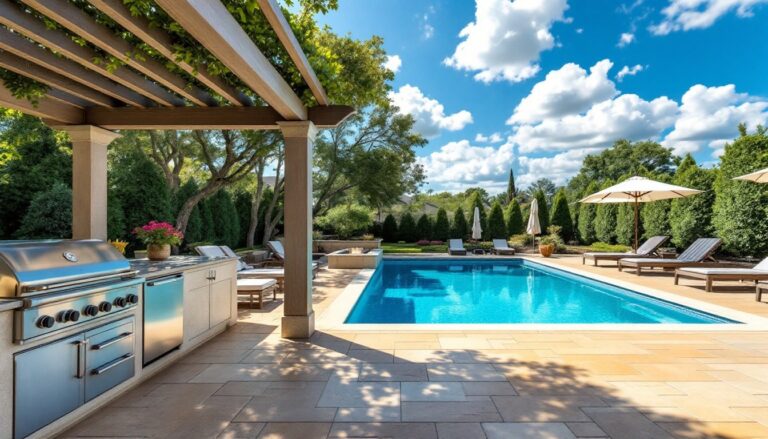
Smart decking makes a small pool feel spacious and functional. Rather than concrete apron all around, use composite decking, pavers, or permeable hardscape on two or three sides, leaving one or two sides open to plantings or seating. This breaks up visual monotony and lets the pool integrate into the yard rather than dominate it. Permeable pavers also help with drainage and local stormwater ordinances, a growing requirement in many jurisdictions.
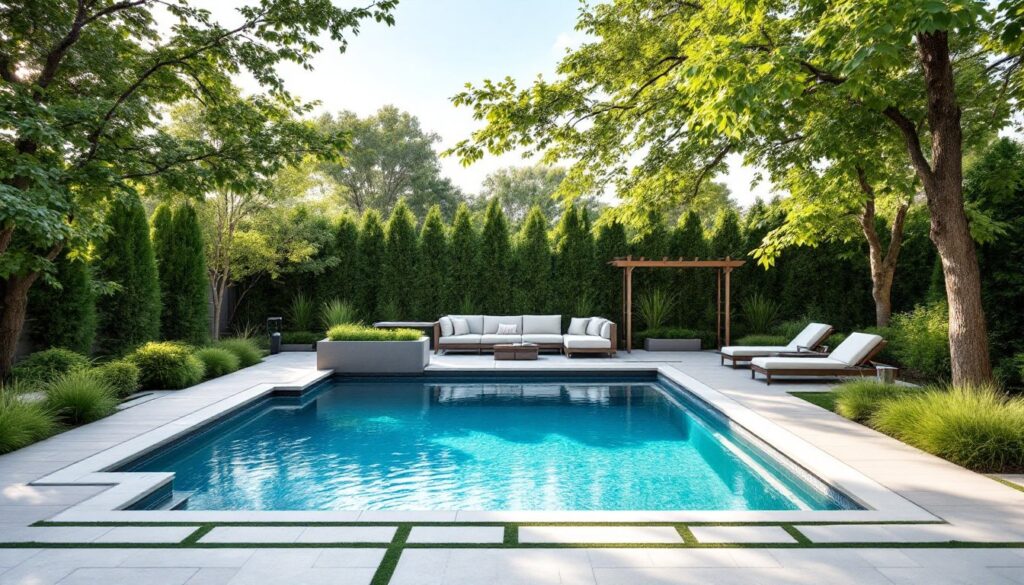
Vertical landscaping is your friend. Tall plants, trellises, or water-feature walls on the perimeter add privacy and greenery without eating floor space. A raised planter box doubling as bench seating near the pool deck saves square footage and frames the view. Choose drought-tolerant, low-maintenance plants if you live in an arid region: you don’t need the added watering chore.
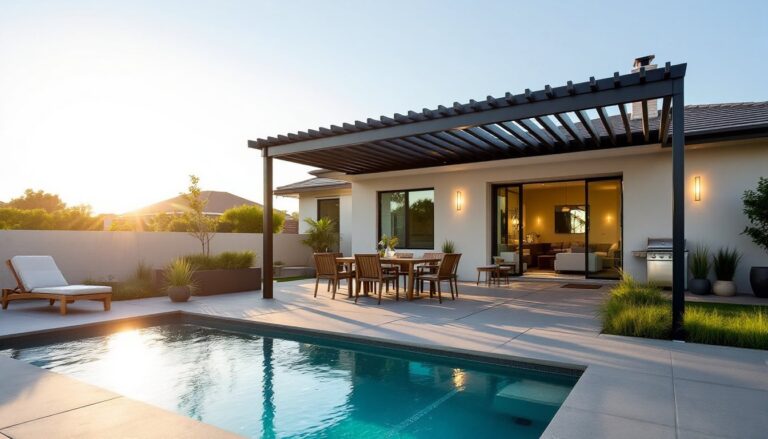
Multi-use layouts earn their keep in tight spaces. A pool-plus-spa combo (a smaller attached hot tub) fits into a compact footprint and serves family gatherings better than a pool alone. Alternatively, designate a small open-air lounge zone on one side with low-profile seating and shade. Some owners build a shallow raised fire pit or sitting wall on the opposite end, turning the backyard into an entertainment hub rather than a pool-centric space. This approach, detailed in Pool Renovation Ideas: Transform, keeps the pool as part of the picture rather than the whole picture.
Budget-Friendly Installation and Maintenance Tips
A small inground pool costs roughly $30,000 to $60,000 depending on region, materials, and features, less than a full-size build but still a significant investment. Here’s how to keep costs realistic:
Streamline Design. Stick with simple geometric shapes (rectangle or square). Curved walls, multiple depth zones, and custom water features add labor and material cost fast. A straightforward 15-by-30-foot rectangle with uniform depth cuts construction time and simplifies plumbing runs.
Choose Materials Wisely. Vinyl-lined pools cost 20 to 30 percent less upfront than concrete (gunite) or fiberglass but require liner replacement every 7 to 10 years. Concrete is durable but demands ongoing sealing and repairs. Fiberglass offers a middle ground: higher initial cost but lower long-term maintenance. Match material to your climate and maintenance tolerance.
DIY Decking and Landscaping. Hire pros for excavation, plumbing, and structural work, mistakes here are costly. But homeowners can often handle basic paver installation, simple plantings, and finishing touches, saving 10 to 20 percent on labor. Resources like Bob Vila offer trusted guides for outdoor construction projects.
Plan for Maintenance. Pool Maintenance Cost Per will be lower for a small pool, but routine care isn’t optional. Budget $1,500 to $3,000 annually for chemicals, energy, equipment checks, and repairs (less if you do your own weekly testing and skimming). Saltwater systems and variable-speed pumps pay for themselves in 3 to 5 years through energy savings. Covers reduce heating costs and debris management significantly in off-season or cooler climates.
Get Permits Early. Depending on jurisdiction, inground pools need grading permits, electrical inspections (for pumps and lighting), and possible health department approval. Your contractor should handle this, but verify upfront. Skipping permits invites fines and resale complications. A standard 500-square-foot pool might cost $200 to $800 in permits: don’t think of this as optional expense.
Conclusion
Small backyard inground pool ideas aren’t a consolation prize, they’re practical, stylish, and increasingly smart. Whether you choose a geometric plunge pool, a mini lap option, or a multi-use deck layout, the key is matching design to your space, lifestyle, and budget. Honest prep work, simple shapes, and strategic features maximize enjoyment without very costly. Ready to explore your options? Start with site measurements, local code research, and conversations with experienced pool contractors who’ve worked tight yards in your region. Your backyard oasis is closer than you think.