Table of Contents
ToggleOwning a small backyard doesn’t mean giving up on the dream of having a pool. With smart planning and the right design choices, even tight spaces can accommodate a refreshing water feature that boosts property value and creates a personal retreat. The key is choosing a small backyard with pool ideas that fit your actual footprint, not fighting against it. Whether you’re working with a 500-square-foot lot or a narrow urban lot, modern pool designs and hardscaping tricks make it entirely doable. This guide walks through practical, buildable solutions that maximize function and aesthetics without requiring a sprawling estate.
Key Takeaways
- Plunge pools (4×8 to 6×12 feet) cost $15,000–$30,000 installed and deliver real cooling value in compact backyards without requiring a sprawling estate.
- Narrow lap pools with counter-current systems maximize usable swimming length in side yards while fitting tight footprints, perfect for small backyard with pool ideas.
- Smart deck layout using zones—main sitting area, utility strips, and entry platforms—maximizes function without making the space feel cramped or pool-dominated.
- Slip-resistant composite decking and textured pavers provide safety and durability with minimal maintenance compared to wood or polished stone materials.
- Automated systems, LED lighting, and phased upgrades (starting simple, then adding waterfalls and built-in seating) transform small pools into functional retreats without breaking the budget.
- Local permits and codes are mandatory for pool installation: check residential requirements for fencing, slip-resistant surfaces, and safety gates before construction begins.
Space-Saving Pool Designs For Compact Backyards
Plunge Pools And Mini Pools
Plunge pools are the obvious starting point for small spaces. These pools typically measure 4 by 8 feet to 6 by 12 feet, roughly the size of a hot tub but deep enough to actually swim. Unlike traditional pools, plunge pools are designed for cooling off, water aerobics, or short laps rather than open-water swimming. A plunge pool can fit into a corner, run along a fence line, or tuck beside a patio.
The beauty is cost and maintenance. A small fiberglass plunge pool runs between $15,000 and $30,000 installed, versus $50,000+ for a full-size pool. Chlorine consumption, pump size, and filter maintenance all scale down accordingly. Mini pools, essentially shallower versions at 3 to 4 feet deep, work for families with young kids and still deliver real cooling value on hot days.
Consider saltwater systems if you dislike chlorine smell and skin irritation. Saltwater plunge pools cost slightly more upfront but cut chemical expenses and reduce eye irritation. Make sure your patio layout can accommodate utility space for the pump and filter: they shouldn’t sit directly against your house foundation, as vibration and humidity can cause problems over time.
Lap Pools And Narrow Options
If you want actual swimming, a narrow lap pool fits tight side yards or runs the length of a 20-foot lot. These pools are typically 7 to 10 feet wide and 40 to 75 feet long, or adaptable to your space. Lap pools maximize usable length while staying slender, and they’re perfect for laps, water jogging, or just floating on a raft without hogging the whole yard.
Counter-current systems are a game-changer for lap pools under 40 feet. These units create an adjustable current (think treadmill for water), letting swimmers stay in one spot instead of lapping back and forth. They cost $3,000 to $6,000 installed and run on standard 110V or 240V power. Real lap swimmers love them: casual users might find them overkill.
Narrow pools demand clear edge planning. A 7-foot-wide pool leaves only 5 to 7 feet for decking on each side, tight but workable. Hardscape Pool Renovation Ideas: Transform Your Backyard into a Stunning Oasis carefully so you’re not cramped during maintenance access. Access on both long sides matters: you need at least 3 feet of clear walking space for skimming and brushing.
Hardscape And Landscaping Solutions
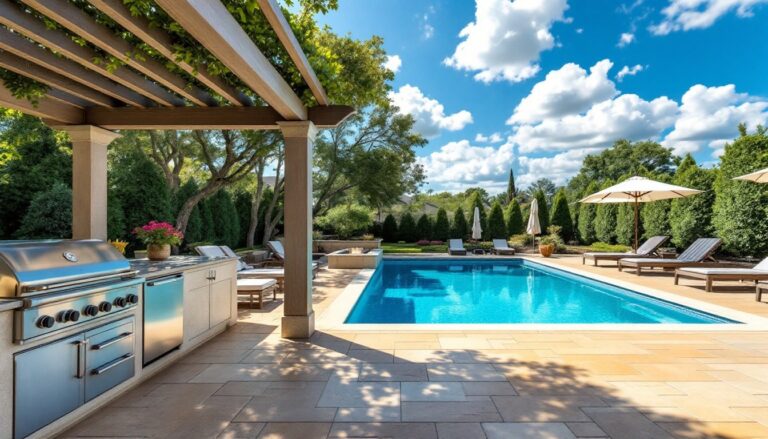
Decking and patio materials set the tone and functionality. Composite decking (like Trex or Timbertech) won’t rot or splinter and requires minimal maintenance, just periodic cleaning. Standard pressure-treated lumber costs less upfront ($10–$15 per linear foot installed) but needs staining or sealing every 2–3 years. Pavers and natural stone look premium but demand level ground and proper base prep: uneven settling causes tripping hazards and poolside accidents.
Keep the plant palette tight around pools. Evergreen shrubs work better than deciduous trees, which drop leaves into the water constantly. Ornamental grasses, ferns, and low-growing hostas frame the space without creating maintenance headaches. According to Gardenista, tight spacing and vertical plantings can make even 400 square feet feel like a resort. Choose plants that tolerate splashing and high humidity.
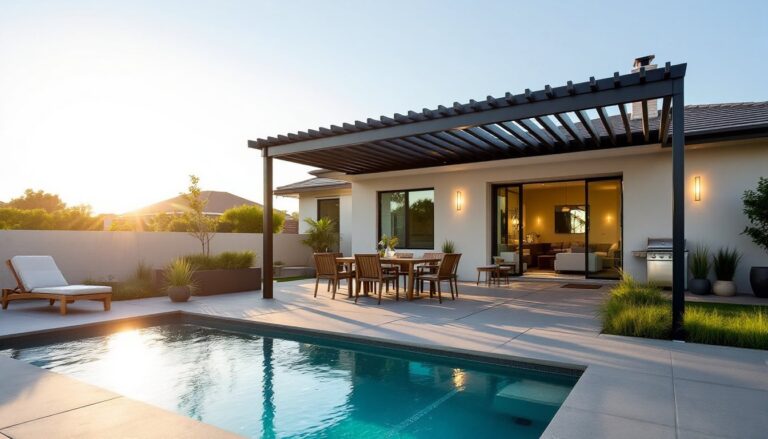
Privacy screening doubles as wind protection. Slatted fencing or living walls (bamboo, fast-growing willows) block views without blocking all light. Wind-resistant screens reduce water evaporation and chemical loss, both big deals for small pools. A shade structure, pergola, shade cloth, or umbrella system, cuts UV exposure, keeps water temperature stable, and creates a lounging zone that doesn’t feel cramped.
Hardscape surfaces must slope slightly toward drainage. Even 1–2% grade (about 1 inch per 8 feet) prevents water pooling near the pool shell and foundation. Improper drainage leads to settling, cracking, and expensive repairs down the road.
Deck And Seating Strategies
Smart deck layout is everything in a small backyard. Don’t default to a continuous deck wrapping the entire pool: instead, break it into zones. A main sitting deck (8 by 10 feet minimum) holds lounge chairs: a narrow utility strip (3 feet wide) provides access for maintenance: an entry platform (4 by 6 feet) keeps wet feet contained. This modular approach uses space efficiently and doesn’t scream “pool.” It reads as an integrated backyard.
Built-in seating saves space. Bench seats with storage underneath eliminate the need for separate loungers: a simple cedar or composite bench (2 feet deep, 6 feet long) costs $800–$1,500 and seats four. Deck boxes designed for poolside (waterproof, UV-resistant) store toys, towels, and cleaning supplies without taking up floor space. Wall-mounted cabinets or shelving work above decking if ground space is at an absolute premium.
Level changes add visual interest and functionality. A stepped platform on one deck side creates tiered seating and makes the yard feel larger by breaking the space visually. A sunken lounge area (8 inches below main deck) frames the pool beautifully and requires minimal structural work if graded carefully.
Material selection matters for grip and safety. Composite decking and textured pavers provide slip resistance when wet, crucial around pools. Avoid polished stone or untreated wood that becomes a skating rink after splashing. Per the IRC (International Residential Code), deck surfaces near pools should have a slip resistance value (SRV) of at least 0.60: most commercial pool surfaces exceed this.
Budget-Friendly Pool Features And Upgrades
Lighting transforms a backyard pool into an evening gathering spot without major spending. Solar string lights strung overhead cost $30–$80 and require no wiring. Underwater LED lights (retrofit kits for existing pools) run $300–$600 and are worth it: they’re energy-efficient and create ambiance. If running 120V power to the pool area, hire a licensed electrician, wet locations demand GFCI outlets and proper conduit per NEC code.
Water features sound luxurious but don’t require contractor pricing. A simple deck-mounted water fountain ($200–$400) adds cooling and visual interest. A spillway or sheer descent waterfall (DIY-friendly with rigid PVC or foam forms) costs $500–$1,500 in materials and brings resort vibes. Waterfalls also help with circulation and oxygenation if you’re concerned about water quality.
Wall jets and bubblers are more affordable than you’d think. Installed jets run $80–$150 each: homeowners with basic plumbing skills can retrofit them into existing pools with a kit and a day’s work. They’re conversation starters and break monotony in a small space.
For budget consciousness, start simple. A functional plunge pool with clean decking and good lighting beats an over-decorated space drowning in fake rocks and gnomes. Home Depot Pool Supplies: carry everything from pumps to LED lights: don’t assume you need a specialty pool supplier for basics.
Consider phased upgrades. Install the core pool and deck first, then add features (water falls, lighting, built-in seating) over the next 1–2 years as budget allows.
Smart Storage And Maintenance Tips
Small pools demand smarter storage for equipment. A dedicated equipment shed or cabinet (4 by 4 feet) keeps pumps, filters, skimmers, and chemicals out of sight and protected. Portable pool houses ($800–$2,000) are rentable, or DIY a simple frame with waterproof siding. Keep it near the pool (within 10 feet is ideal for utility) but not directly adjacent to living spaces, filtration systems hum.
Chemical storage needs a cool, dry, ventilated area away from kids and pets. A locking cabinet under decking or in a corner works if you ensure airflow. Never store chlorine near acids: chemical reactions can cause fires. Follow label instructions religiously, and keep safety data sheets handy.
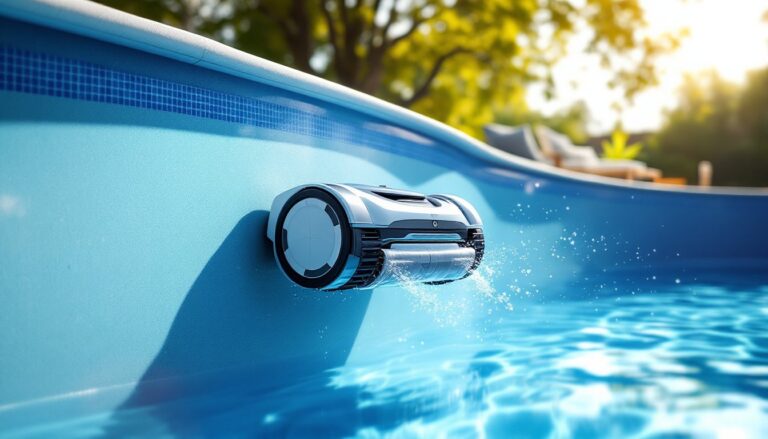
Pool maintenance in small spaces is simpler than full-size pools. An automatic skimmer basket removes debris: a small robotic cleaner ($600–$1,200) handles the floor without manual vacuuming. Brush and maintain walls weekly to prevent algae buildup, which happens faster in smaller volumes.
Water testing is non-negotiable. Test chlorine, pH, and alkalinity twice weekly during summer using simple test strips ($0.50 each) or a digital tester ($100–$200). Imbalanced water leads to algae, staining, and equipment failure. According to Swimming Pool Maintenance: Essential Tips for a Sparkling Summer Oasis, consistent testing beats reactive repairs.
Cover your pool when not in use. A fitted tarp ($200–$400) or retractable pool cover ($2,000–$5,000) cuts evaporation, keeps debris out, and reduces chemical loss by 30–40%. In winter, a solid cover prevents ice buildup on decking and protects the shell. Both Pool Maintenance Made Easy: and regular draining (if applicable) extend equipment lifespan and keep the space safe when closed.
Permits and inspections matter. Many jurisdictions require permits for pools over a certain size: some mandate fencing, slip-resistant decking, and safety gates per residential code. Check local regulations before breaking ground, backyard pools surprise plenty of homeowners with code violations only discovered during sale inspections. Does a Pool Add and proper permitting both matter if resale is on your radar.
Pools in tight spaces benefit from automation. Smart controllers ($400–$1,000) let you adjust temperature, run filtration schedules, and monitor pH remotely. Integrated systems reduce manual testing frequency and catch problems before they become expensive. For homeowners who value convenience over DIY tinkering, automation pays for itself in peace of mind.
Final Thoughts
A small backyard doesn’t rule out pool ownership, it just demands thoughtful design and honest assessment of how you’ll use the space. Plunge pools and narrow lap pools deliver real functionality in tight footprints, while smart hardscaping and integrated seating make even 600 square feet feel spacious. Start with a clear purpose (cooling off versus serious swimming), choose your pool type accordingly, and invest in features like lighting and storage that multiply usability. Sites like Better Homes & Gardens and Apartment Therapy offer inspiration for small-space design that applies beautifully to compact pool areas. With honest maintenance habits and phased upgrades, your small backyard pool becomes less a squeeze and more a genuine retreat.