Table of Contents
ToggleA backyard with pool and outdoor kitchen has become the ultimate luxury for homeowners seeking an extension of their living space. Whether you’re hosting summer gatherings, enjoying quiet mornings by the water, or grilling dinner under the stars, combining these two elements creates a cohesive outdoor oasis that elevates both lifestyle and property appeal. The key to success lies in thoughtful planning, understanding how to integrate a pool and kitchen functionally, aesthetically, and within your budget. This guide walks you through the essential steps to design and build a backyard space that works for your family and your home’s layout.
Key Takeaways
- A backyard with pool and outdoor kitchen creates a luxurious outdoor oasis that enhances lifestyle and property appeal when thoughtfully planned for traffic flow, zoning, and utility integration.
- Choose your pool type based on maintenance preferences and budget: saltwater pools are gentler on skin but cost more upfront, chlorine pools are standard and affordable, while fiberglass pools install faster with minimal maintenance.
- Position your outdoor kitchen between the house and pool with 2–3 feet of prep counter space, proper ventilation, and permit-compliant gas and electrical hookups installed before pouring foundations.
- Invest in durable outdoor-rated materials like composite decking, porcelain pavers, and powder-coated aluminum cabinetry rather than interior finishes, which saves money on replacements over time.
- Implement proper drainage, strategic landscaping with deciduous trees for shade, and establish a regular maintenance routine—weekly pool testing, monthly grill cleaning, and annual countertop sealing—to protect your investment for decades.
Planning Your Backyard Layout For Pool And Kitchen Integration
Before breaking ground or calling contractors, spend time mapping your space on paper. Measure your backyard precisely, noting sun exposure, existing utilities (gas, water, electric), drainage patterns, and any trees or structures that affect layout. A pool and outdoor kitchen require substantial infrastructure, water lines, electrical conduits, gas lines, and sometimes permits, so understanding what’s already there prevents expensive surprises.
Consider traffic flow. You don’t want guests walking across a patio to reach the kitchen, then looping back to the pool area. The kitchen should sit between the house and pool, or positioned so it’s accessible from both. This also matters for safety: parents need clear sightlines to the pool, and you’ll want the grill area slightly separated to keep smoke and heat away from sitting spaces.
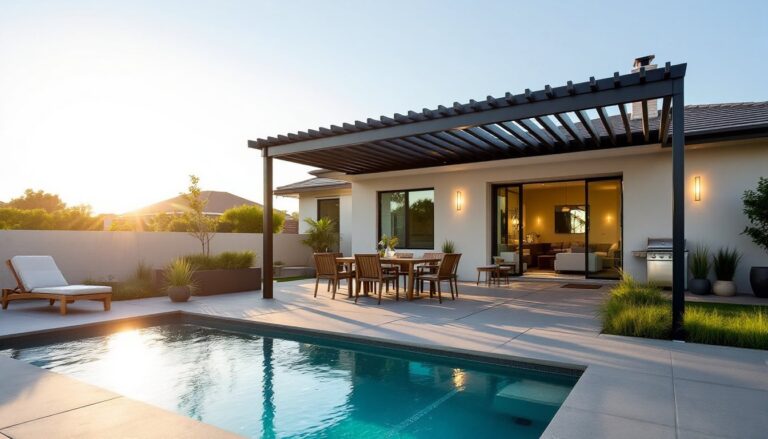
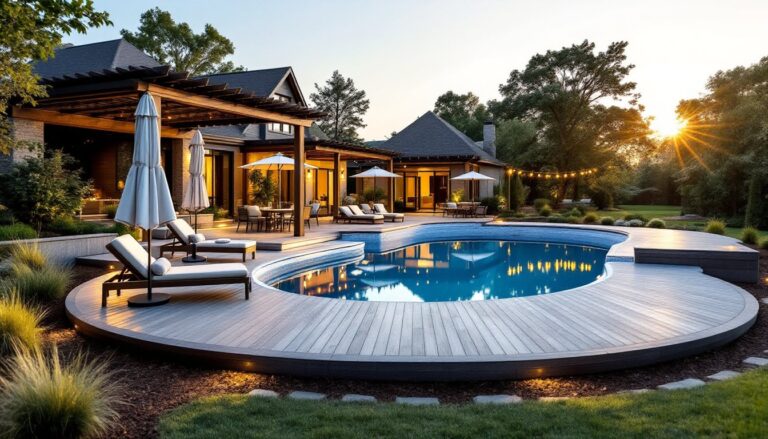
Zone your space mentally into three areas: the house-to-kitchen transition (for easy access to indoor amenities), the kitchen hub (with counter space and seating), and the pool surround (with sun loungers, shade, and a clear deck perimeter). A properly designed outdoor entertaining deck integrates seamlessly with both elements, providing the connective tissue your layout needs. Sketch these zones at scale before purchasing materials or hiring contractors.
Choosing The Right Pool Style For Your Space
Pool styles break into a few main categories: traditional saltwater or chlorine pools, saltless systems, and fiberglass shells. Each has trade-offs in maintenance, longevity, and initial cost.
Saltwater pools use salt chlorinators to generate chlorine, reducing chemical handling and generally gentler on skin. They cost $3,000–$8,000 more upfront but lower ongoing chemical purchases. Chlorine pools are the standard, cheaper to install ($15,000–$30,000 depending on size), but require more frequent chemical testing and adjustment. Fiberglass pools come pre-molded, install faster, and require less maintenance, but you’re limited to preset sizes and shapes, typically $20,000–$40,000 installed.
Size matters too. A 15′ × 30′ pool suits most residential backyards and allows for safe lap swimming and recreation. Smaller cocktail pools (8′ × 12′) work for lounging and cooling off but limit play and exercise. Larger pools demand more chemicals, longer heating times, and heftier pump systems.
Consider whether you want shallow lounging areas (18–24 inches), a deep end for diving (8+ feet), or both. Lounging shelves with adjustable underwater seating appeal to families. Does a pool add value to your home is a common question, the answer depends on climate and local market, but a well-maintained pool almost always increases appeal, even if it doesn’t return dollar-for-dollar at sale.
Designing An Outdoor Kitchen That Complements Your Pool Area
An outdoor kitchen needs a prep zone, a cooking zone, and a serving/dining zone. At minimum, include a grill, counter space, and a sink. Many homeowners add a refrigerator, mini-fridge, or beverage cooler, a side burner, a pizza oven, or a smoker. Plan for water and gas hookups before pouring the foundation, moving these lines later is expensive.
Counter space is non-negotiable. Plan at least 2–3 feet of prep space beside the grill and another 2 feet for serving. Stainless steel is durable and hides fingerprints, but it requires frequent polishing to maintain that showroom look. Concrete countertops are customizable, weather the elements well, and pair nicely with rustic or modern aesthetics, though they stain easily without sealing. Granite or engineered quartz are premium options, beautiful and durable, but pricey and overkill for outdoor use. Tile works on a budget but grout lines trap moisture and are hard to clean.
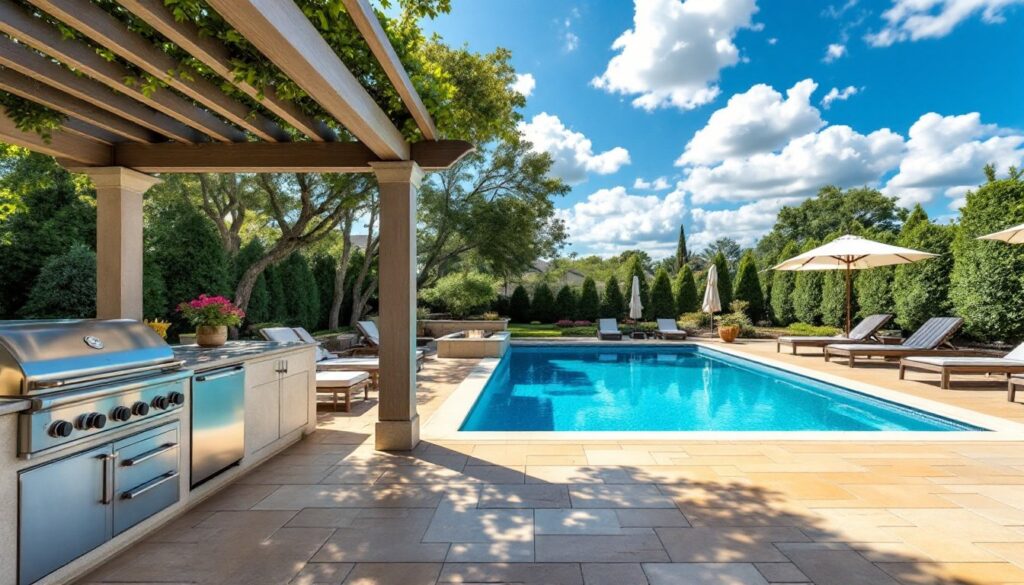
Cover your kitchen with a pergola, shade sail, or roof. Working over a grill in direct sun is miserable, and rain ruins your prep day. Most outdoor kitchens sit 8–15 feet from the pool for safety and convenience. Ensure gas and electrical lines are properly rated for outdoor use and installed per local code. Many jurisdictions require permits for kitchens with gas appliances. Don’t skip this step.
Selecting Durable Materials And Finishes
Outdoor materials must handle sun, moisture, temperature swings, and foot traffic. Pavers, concrete, porcelain, or natural stone, are the standard deck surface around pools. Porcelain is slip-resistant when wet, holds color well, and resists staining. Natural stone (travertine, flagstone) is beautiful but porous: seal it yearly and it requires more care. Avoid dark pavers that become unbearably hot underfoot in full sun.
Decking around the pool often uses pressure-treated lumber, composite boards, or stone. Pressure-treated lumber is affordable ($2–$5 per linear foot) but requires staining every few years and splinters over time. Composite decking ($8–$15 per linear foot) mimics wood, resists rot and insects, and needs minimal maintenance, a good investment if you plan to stay long-term.
Pool surrounds require non-slip surfaces. Many code jurisdictions mandate slip-resistant pavers or textured finishes within a certain distance of the pool edge. Check your local building codes, requirements vary by region. For the kitchen, you’ll want durable cabinetry: powder-coated aluminum, weather-resistant wood with marine sealant, or stainless steel. Avoid standard interior finishes: they won’t hold up outdoors. Quality outdoor-rated paint and finishes add 2–3 years to your materials’ lifespan. Don’t cheap out here, replacing cabinetry in five years costs far more than buying durable pieces upfront.
Hardscaping And Landscaping Considerations
Hardscaping includes pavers, pathways, walls, and fencing around your pool and kitchen. Soft landscaping, plants, grass, trees, adds privacy, shade, and aesthetic appeal. Together, they frame your space and manage water runoff.
Drain lines matter. Pools need a perimeter drain or gravel bed to prevent water from pooling on the deck. Kitchen runoff from washing and prep work should slope toward a catch basin or French drain: standing water attracts pests and creates slip hazards. Hire a landscape professional to grade your yard correctly, most DIYers underestimate slope and drainage complexity.
Trees and shrubs serve multiple purposes. Deciduous trees provide summer shade and allow winter sun through. Fast-growing privacy shrubs (bamboo screening, ornamental grasses, hedges) block sightlines from neighbors. But, trees drop leaves into pools, factor in skimmer maintenance and debris nets if you plant near water. Consider low-volatility plants (no heavy fruit drop, shallow roots that won’t damage hardscape) in the pool area. Designing patios and decks for the home includes strategic shade structures, pergolas, and landscaping that enhance both aesthetics and function. A 2–3-foot tree canopy buffer from the pool reduces cleanup headaches significantly.
Maintenance Tips For Your Pool And Outdoor Kitchen
Once built, ongoing care determines how long your investment lasts and how much you enjoy it.
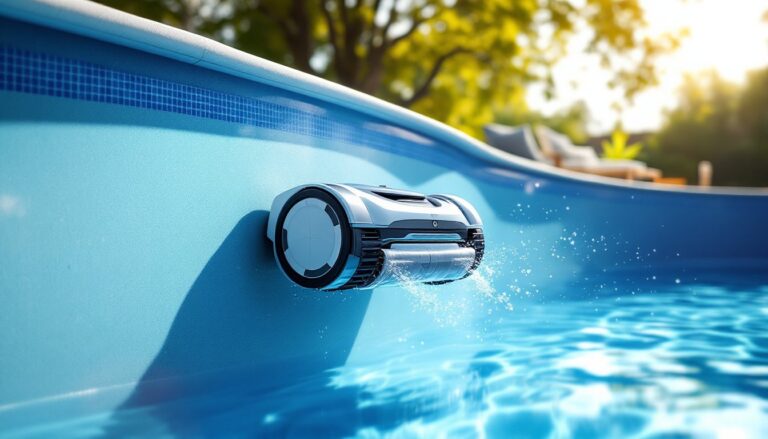
Pool maintenance involves weekly testing (chlorine, pH, alkalinity), skimming debris, brushing walls, and cleaning filters. In-ground pools typically need monthly acid washes or backflushing depending on your system. Pool Maintenance Made Easy covers the full spectrum, establish a routine now to avoid expensive repairs later. Drain and refill your pool every 5–7 years to reset chemical balance and remove accumulated debris. Budget $100–$200 monthly for chemicals and electricity if you heat the water: if you don’t, expect $30–$60 monthly.
Outdoor kitchen maintenance focuses on protecting materials and appliances. After each use, wipe down stainless steel with a soft cloth to prevent water spots. Seal concrete countertops annually. Clean grill grates and interior monthly, and inspect gas lines yearly for leaks (use soapy water, bubbles indicate a problem). Cover your kitchen with tarps or fitted covers during off-season or heavy rain. Grease buildup in the ventilation requires periodic professional cleaning.
Winterization depends on your climate. In freezing regions, drain water lines in the kitchen to prevent burst pipes, and add winter pool treatments. In mild climates, reduce pool circulation to 4 hours daily during winter to save energy. Check local building codes for winterization requirements, some jurisdictions mandate specific procedures for safety and environmental reasons.
Conclusion
Building a backyard with pool and outdoor kitchen requires careful planning, quality materials, and a realistic maintenance mindset. Start with a solid layout that respects your property’s terrain and utilities, choose pool and kitchen styles that fit your lifestyle and budget, and don’t skimp on durable finishes. The rewards, summer gatherings, family memories, and a genuinely luxurious home environment, make the effort worthwhile. With proper care and seasonal upkeep, your outdoor space will serve your household for decades.