Table of Contents
ToggleNot everyone has a sprawling backyard, but that shouldn’t stop you from enjoying a backyard pool. Small spaces demand smart design choices, and they’re often more creative and satisfying to pull off than cookie-cutter builds. Whether you’re working with a tight quarter-acre lot or a modest urban courtyard, there are proven ways to squeeze a refreshing, functional pool into your footprint without sacrificing style or practicality. This guide walks through seven practical approaches that work for genuinely small yards, from compact plunge pools to innovative modular solutions. You’ll find real options that don’t require a sprawling foundation or eat up your entire outdoor space.
Key Takeaways
- Plunge pools (6×8 to 8×10 feet) are ideal backyard pool ideas for small yards, offering full submersion without requiring extensive space and costing $15,000–$35,000 installed.
- Splash pads and shallow basin pools provide affordable water features ($5,000–$12,000) that sidestep deep excavation permits and work well for families with young children.
- Multi-level decking systems and vertical design elements maximize small yard potential by drawing the eye upward and creating functional lounging spaces around the pool.
- Above-ground and modular pool solutions ($1,500–$8,000) are budget-friendly alternatives for renters and those testing whether a permanent pool fits their lifestyle.
- Smart storage integration, equipment enclosures, and thoughtful landscaping with low-growing plants and light-colored decking transform cramped lots into polished retreats.
- Proper site preparation—including frost-line footings, drainage, grading, and local permit compliance—prevents costly failures and ensures your small-yard pool stands the test of time.
Plunge Pools: Compact Luxury for Minimal Space
A plunge pool is exactly what it sounds like, a small, deep pool designed for cooling off, not lap swimming. Most sit between 6×8 feet and 8×10 feet, roughly the footprint of a hot tub but deeper. This makes them ideal for compact yards. The depth (typically 4 to 6 feet) lets you submerge fully without needing a massive surface area.
Plunge pools work best when built into a concrete deck or patio, so factor in surface preparation and reinforced framing. Dig a hole slightly wider than your pool’s dimensions, pour footings to frost depth (check your local frost line, typically 2 to 4 feet), and install a proper vinyl liner or fiberglass shell. Most residential plunge pools run $15,000 to $35,000 installed, depending on finish and location.
The real advantage: they’re swimmable year-round in warmer climates and require less chemical maintenance than larger pools due to lower water volume. You can also heat them affordably with a small electric heater. Design-wise, they photograph beautifully and invite sitting around the edge, making them a focal point rather than just functional. Deep Water: 10 Modern Plunge Pools and Spas showcase how architects use them as stylish centerpieces in constrained spaces.
Splash Pads and Shallow Pool Alternatives
If you want water play without a “real” pool, a splash pad might be the move. Think of it as a hardscape with low walls (usually 2 feet) surrounding a shallow basin with a vinyl or concrete floor. Water circulates via pump and drains, or you drain it nightly. Cost: $5,000 to $12,000 for a decent-sized pad.
Splash pads don’t require a deep excavation, so permits are often lighter and installation faster. They’re especially popular for young kids and still give adults a place to cool off. Drainage is critical, slope the floor toward a drain point and install proper footer drains to prevent standing water and mold.
Another option is a shallow concrete “basin pool” (18 to 24 inches deep). It lacks diving depth but works for wading and floating. You can dress it up with surrounding seating, shade structures, and landscaping so it feels intentional, not undersized. Both alternatives cost less than a plunge pool and sidestep deeper permitting headaches in some jurisdictions.
Vertical Integration: Decking and Multi-Level Designs
When ground space is precious, build up. A tiered deck system with the pool at one level and seating decks at another maximizes the visual impact and use of small yards. Imagine a 6×10-foot pool set into the ground with a wraparound elevated deck, the deck does double duty as viewing and lounging space.
Use pressure-treated lumber (2×8 joists on 16-inch centers for residential spans) and lag-bolt the structure to concrete footings below the frost line. If you’re building on a slope, a multi-level deck saves grading work and adds interest. Composite decking costs more upfront but saves maintenance, no staining or sealing every few years.
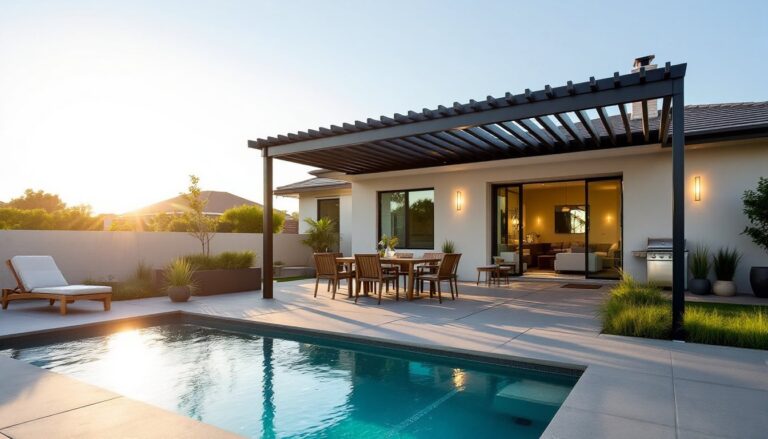
Vertical elements don’t stop at decks. A tall wooden privacy fence or metal screen wall makes a small space feel intentional and sheltered. Overhead structures like pergolas or louvered shade covers maximize the perception of space by drawing the eye upward. Adding a raised planter or seating ledge integrated into the pool surround keeps the footprint tight while adding function. This approach is popular because it transforms a cramped lot into a tiered retreat without requiring expansion.
Inflatable and Modular Pool Solutions
For renters or those unsure about permanent installation, above-ground and inflatable pools sidestep digging entirely. A quality ring-frame pool (16 to 20 feet diameter) fits most yards and costs $1,500 to $4,000. Steel walls, heavy-gauge vinyl liners, and reinforced bases make them sturdy enough for season after season.
Setup requires a level surface, pour a 2-inch layer of sand and add a ground cloth (geotextile underlayment) to prevent punctures. Backfill around the walls to stabilize them, and install the pump and filtration system according to the manufacturer’s specs. Monthly maintenance mirrors traditional pools: chlorine, pH testing, skimming.
Modular interlocking pools take this further. Brands like Bestway and Intex now offer high-end modular designs with removable wall sections, letting you reconfigure size and shape as your yard evolves. These sit lower than ring-frame pools and look more refined. The tradeoff: they’re pricier ($3,000 to $8,000) and less stable in high wind. Still, for a renter or someone testing the waters (pun intended), they beat permanent costs. Home Depot Pool Supplies carries most major brands and related equipment.
Smart Storage and Dual-Purpose Features
Small yards can’t afford dead space. Integrate storage benches into the pool deck, the seat lifts to reveal space for toys, chemicals, and tools. Build these from pressure-treated plywood and 2×4 framing, with exterior plywood facing and stainless-steel hinges rated for outdoor use.
Another trick: pool-deck shower stations with a small storage cabinet underneath. A single stall shower (24×36 inches minimum) reduces the track mud from pool-goers before they hit the house. Run supply and drain lines below deck level, insulate exposed pipes, and use a ground-level drain or dry well to avoid puddling.
Gasoline generators and pump equipment don’t belong on display. Build a small equipment enclosure, a simple three-sided screen (4×6 feet) with a roof reduces noise and hides unsightly gear. Use slatted boards or metal mesh to allow airflow around the pump and heater. This keeps the aesthetic tight while keeping maintenance accessible. Pool Maintenance Made Easy covers the equipment essentials, and smart placement saves headaches year-round.
Landscaping Tricks to Maximize the Feel of Your Pool Area
Good landscaping makes a small pool area feel larger and more intentional. Plant low-growing shrubs (4 to 5 feet tall) rather than towering trees, they frame the pool without blocking views or dropping needles into the water. Ornamental grasses, hostas, and dwarf conifers add texture without sprawl. Avoid trees with heavy seed or leaf drop, cottonwoods, ashes, and liquid ambers are pool nightmares.
Color amplifies the sense of space. Light-colored decking (composite or sealed concrete) bounces light and feels open. Pairing this with deep-tone plants or accent tiles creates depth. Raised planting beds along the perimeter define the space and add vertical interest without eating much ground.
Water features beyond the pool itself, a small recirculating fountain or waterfall between planting zones, add movement and sound that masks neighborhood noise. A pergola with climbing vines (clematis, climbing hydrangea) creates dappled shade and breaks up hard surfaces. Finally, strategic lighting (LED deck lights, string lights, or uplighting on plants) transforms the space at night, making it feel larger and more sophisticated. Better Homes & Gardens offers solid guides on compact garden design that apply directly to pool surroundings.
Conclusion
A small yard doesn’t mean sacrificing a pool. Whether you choose a elegant plunge pool, a flexible modular system, or a thoughtfully designed splash pad with smart decking, the key is fitting the solution to your space and lifestyle. Focus on quality finishes, smart storage, and landscaping that makes the area feel intentional. Start with a solid survey of your lot, check local permitting requirements, and don’t skip the prep work, proper footings, grading, and drainage prevent costly failures down the road.