Table of Contents
ToggleIn a world where the planet seems to be throwing a tantrum, eco architecture emerges as the superhero we didn’t know we needed. Imagine buildings that not only look stunning but also hug trees and give back to Mother Earth. It’s a design revolution that combines sustainability with style, proving that going green doesn’t mean sacrificing aesthetics.
From solar panels that soak up the sun like a sunbather to rainwater systems that make even the most stubborn droughts seem manageable, eco architecture is here to save the day. It’s not just about saving the planet; it’s about creating spaces that inspire and uplift. So, if you’re ready to dive into the world of buildings that breathe, grow, and maybe even dance a little, stick around. Eco architecture is about to become your new favorite topic.
Overview of Eco Architecture
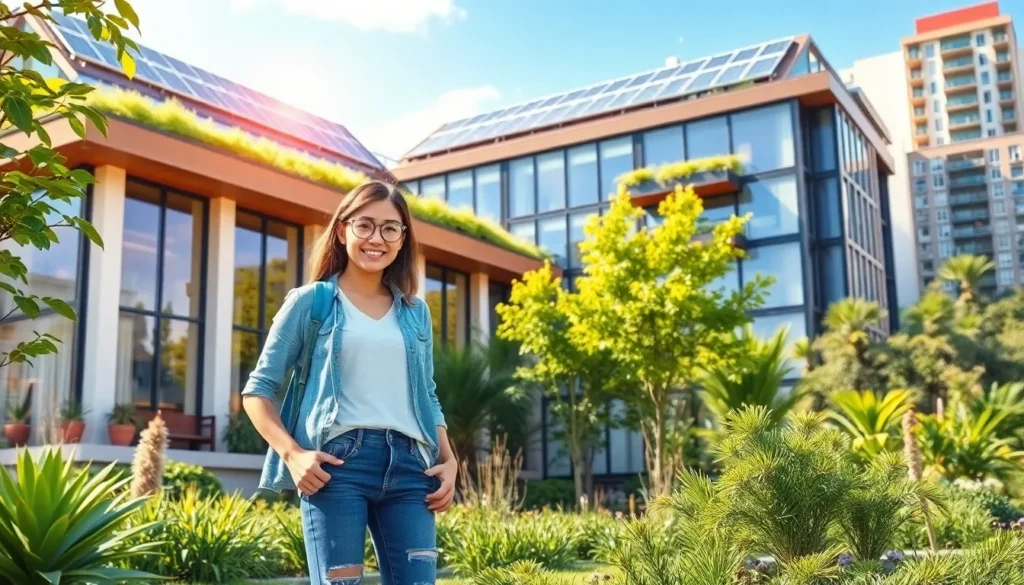
Eco architecture emphasizes sustainable building practices that minimize environmental impact while enhancing aesthetic appeal. This design philosophy incorporates renewable resources, promotes energy efficiency, and fosters a healthy living environment. Notable features include green roofs, which improve insulation and support biodiversity, and strategically placed windows that maximize natural light.
Materials play a critical role in eco architecture. Sustainable materials, such as bamboo, recycled steel, and reclaimed wood, reduce waste and the carbon footprint associated with new resource extraction. Advanced technologies like geothermal heating and solar water heaters further enhance energy efficiency, showcasing innovative solutions for modern buildings.
Water conservation methods are vital in eco architecture. Rainwater harvesting systems collect and store water for landscape irrigation and other non-potable uses. Additionally, greywater systems recycle water from sinks and showers, substantially decreasing overall water consumption.
Design strategies prioritize integration with the surrounding environment. Site orientation influences how a building interacts with natural elements, optimizing passive solar heating and cooling. Local landscaping can further enhance energy savings while preserving native flora and fauna.
Incorporating smart home technologies complements eco architecture, enabling occupants to monitor and manage energy use effectively. Automated systems can adjust heating, cooling, and lighting based on occupancy and weather conditions, reinforcing eco-friendly practices.
Overall, eco architecture represents a holistic approach to building design, advocating for harmony between human needs and environmental stewardship. By focusing on innovative, sustainable solutions, eco architecture creates livable spaces that contribute positively to the planet.
Principles of Eco Architecture
Eco architecture focuses on sustainable design principles that integrate environmental responsibility into building practices. These principles aim to create spaces that are energy-efficient and reduce ecological footprints.
Sustainable Materials
Sustainable materials significantly reduce waste and environmental impact. Options like bamboo, recycled steel, and reclaimed wood prove effective in minimizing carbon footprints. These materials offer durability while promoting resource conservation. Incorporating local materials enhances sustainability further by cutting transportation emissions. Designers often select materials that are non-toxic and contribute to healthier indoor environments. Building with recycled components supports a circular economy, transforming waste into valuable resources.
Energy Efficiency
Energy efficiency plays a critical role in eco architecture. Incorporating advanced technologies like geothermal heating and solar water heaters boosts energy performance. Strategically placed windows maximize natural light, reducing reliance on artificial lighting. Insulated structures and green roofs enhance thermal performance, keeping homes warm in winter and cool in summer. That insulation reduces energy demands for heating and cooling systems, resulting in lower utility costs. Smart home technologies enable occupants to track and manage energy usage effectively, reinforcing sustainability practices.
Water Conservation
Water conservation techniques are essential in eco architecture. Implementing rainwater harvesting systems captures precipitation for irrigation and non-potable use, reducing dependence on municipal water sources. Greywater recycling systems reuse wastewater from sinks and showers, further lowering overall water consumption. Xeriscaping, or drought-resistant landscaping, minimizes water needed for gardening. Additionally, low-flow fixtures and appliances cut water usage without sacrificing performance. By prioritizing water conservation, eco architecture promotes sustainable living while preserving vital resources.
Benefits of Eco Architecture
Eco architecture offers numerous advantages, promoting sustainability in design and construction. These benefits encompass environmental, economic, and health aspects, making it a compelling choice for modern building practices.
Environmental Impact
Eco architecture significantly reduces environmental harm. Buildings designed with sustainable materials lower carbon footprints and minimize waste. Utilizing renewable energy sources, such as solar power, cuts reliance on fossil fuels and decreases greenhouse gas emissions. Green roofs enhance biodiversity and improve air quality, providing habitats for various species. Rainwater harvesting systems increase water efficiency, contributing to better resource management. Additionally, structures built with energy-efficient designs reduce energy consumption through natural temperature regulation.
Economic Advantages
The economic benefits of eco architecture are substantial. Initial investments in sustainable buildings often yield long-term savings through lower utility bills and maintenance costs. Utilizing locally sourced materials decreases transportation expenses, boosting local economies. Eco-friendly designs can also qualify for tax incentives and grants, reducing installation costs for energy-efficient technologies. Property values may rise as communities increasingly favor sustainable living options, leading to higher demand for eco-friendly homes. These factors collectively contribute to a stronger financial position for property owners.
Health Benefits
Health considerations play a crucial role in the benefits of eco architecture. Natural light, enhanced ventilation, and the use of non-toxic materials promote healthier living environments. These elements improve indoor air quality, reducing risks associated with respiratory issues and allergies. Layout designs focusing on mental well-being foster a sense of calm and encourage physical activity. Access to green spaces, facilitated by eco architecture, supports overall mental health. Incorporating biophilic design principles strengthens connections between occupants and nature, enhancing overall well-being.
Notable Eco Architecture Projects
Several notable eco architecture projects showcase innovative designs and sustainable practices.
Case Study: The Bullitt Center
The Bullitt Center, located in Seattle, features a living building model that sets a benchmark for sustainability. Its energy efficiency stems from solar panels generating more energy than the building consumes annually. This project incorporates rainwater harvesting systems, supplying 100% of its water needs. Locally sourced materials reduce transportation emissions while enhancing the building’s ecological footprint. Advanced technologies, including a composting toilet system, minimize waste. Occupants enjoy improved indoor air quality due to non-toxic materials and ample natural light. Recognition as one of the greenest commercial buildings worldwide underscores its impact on eco architecture.
Case Study: Bosco Verticale
Bosco Verticale, situated in Milan, reimagines urban living with its vertical forest design. This iconic project consists of two residential towers covered in over 9,000 trees and 20,000 shrubs. The vegetation contributes to biodiversity and improves air quality while providing insulation. Energy consumption is reduced through natural shading and temperature regulation. Both apartments and communal spaces benefit from the green spaces, fostering community interaction. The design resonates with sustainable urban living by promoting a harmonious coexistence between nature and architecture. Esteemed for transforming city landscapes, Bosco Verticale is a pivotal example of eco-friendly construction.
Future Trends in Eco Architecture
Innovative designs are shaping the future of eco architecture, focusing on sustainability and aesthetics. Circular building systems gain traction as they emphasize waste reduction and the reuse of materials. This approach supports a regenerative model, allowing buildings to contribute positively to their surroundings.
Smart building technologies continue to advance, integrating artificial intelligence for energy management. Occupants can monitor energy consumption in real-time, optimizing efficiency and minimizing waste. Renewable energy sources such as solar, wind, and geothermal power play a crucial role in this trend, enabling net-zero concepts to flourish.
Vertical gardens and green walls become increasingly popular, enhancing urban environments while improving air quality. These living systems support biodiversity, attracting local wildlife and promoting community engagement. Prefabricated construction methods gain popularity, as they reduce material waste and accelerate project timelines.
Biophilic design, which integrates natural elements into structures, continues to influence eco-friendly architecture. Natural light, plant life, and water features create calming environments and improve occupant well-being. Additionally, innovative insulation materials made from recycled products emerge, offering better thermal performance and reducing energy costs.
Water efficiency measures, such as advanced irrigation systems and greywater reuse, trend upward among eco architects. Incorporating native plants into landscaping reduces the need for irrigation, protecting local water resources. Education about sustainability becomes vital, as architects and builders promote eco-friendly practices to the community.
Collaboration among architects, engineers, and urban planners fosters sustainable districts that maximize ecological benefits. This teamwork nurtures resilient communities that prioritize environmental health and social equity. As eco architecture evolves, newer methodologies will continue to emerge, shaping the built environment in harmony with nature.
Eco architecture stands at the forefront of sustainable design by harmonizing human needs with environmental stewardship. Its innovative features and smart technologies not only enhance energy efficiency but also promote healthier living spaces. As communities increasingly prioritize sustainability, eco architecture offers a pathway to reduce carbon footprints while supporting local economies. The continued evolution of this field, driven by emerging trends and collaborative efforts, promises to create resilient urban environments that thrive in harmony with nature. Embracing eco architecture is not just a choice; it’s a commitment to a sustainable future for generations to come.