Table of Contents
ToggleKeeping an above ground pool clean shouldn’t feel like a part-time job. If you’re tired of spending weekends scrubbing walls and skimming debris, a pool vacuum robot offers a genuinely practical solution. Unlike manual vacuuming, which demands time, effort, and physical strain, these automated cleaners work while you’re inside with a cold drink. For homeowners with above ground pools, the right robot vacuum can mean the difference between a sparkling retreat and a neglected eyesore. This guide walks you through what makes a solid choice and which models actually deliver in 2026.
Key Takeaways
- A pool vacuum robot for above ground pools automates routine cleaning and reduces manual labor, allowing you to enjoy crystal-clear water while spending time elsewhere.
- Prioritize suction power, portability (6-10 pounds), and adequate cord length (at least 50 feet) when selecting the best above ground pool vacuum robot for your setup.
- Fine mesh or pleated cartridge filters that trap particles down to 20-30 microns significantly improve water clarity and reduce the chemical load on your pool.
- Corded models under $500 offer superior long-term value and reliability for frequent use, while cordless models suit smaller pools but require more investment and dock space.
- Pre-installation prep, weekly filter rinsing, monthly tether inspections, and annual cartridge replacements are essential maintenance tasks that extend your robot’s lifespan to 3-5 years or longer.
- Running your above ground pool vacuum robot 3-5 days weekly keeps water consistently clear with a single full cleaning cycle, replacing what once required daily manual scrubbing.
Why Pool Vacuum Robots Are Game-Changers For Above Ground Pools
Above ground pools sit low and compact compared to inground installations, but they still collect dirt, leaves, algae, and debris. Manual cleaning requires you to get down there with a long pole attachment, brush the floor methodically, and empty catch baskets constantly. It’s exhausting and time-consuming, plus you’re doing the same work over and over.
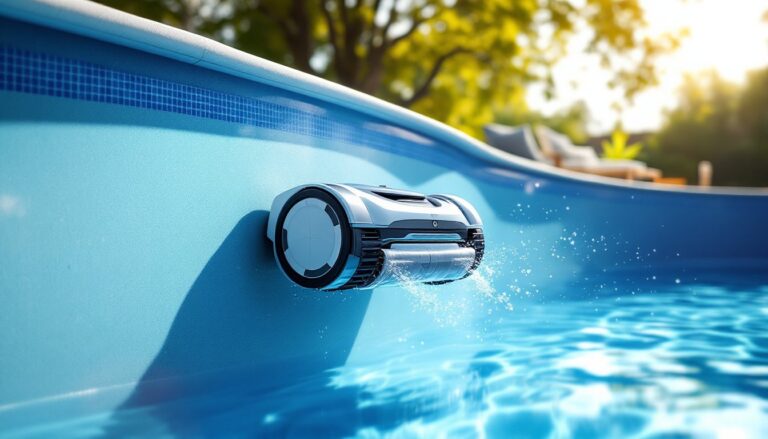
A dedicated pool vacuum robot automates this grind. Once you drop it in, it crawls the floor and walls on its own schedule, capturing fine particles that might otherwise cloud your water. No human supervision needed. The best part? These machines are designed specifically for above ground pool geometry, shallower depths, smaller surface areas, and distinct floor shapes that differ from inground pools. That tailored approach means better suction patterns and more efficient cleaning paths.
Robot vacuums also reduce the chemical load on your pool. Clean water circulates faster through your filtration system, meaning you’ll need fewer algaecides and clarifiers down the line. Your swimming pool maintenance checklist will actually feel manageable. Most homeowners find that running a robot 3-5 days per week keeps water consistently clear, something that would require daily manual labor otherwise.
Key Features To Look For In An Above Ground Pool Vacuum Robot
Not all pool robots are created equal. When shopping, focus on the specific traits that matter most for above ground setups.
Suction power and floor coverage matter most. Above ground pools have flat, compact floors that benefit from steady, consistent suction rather than fancy wall-climbing features. Look for robots rated for pools under 30,000 gallons, that’s the typical range for above ground models. Check the cleaning cycle time: ideally, the unit should complete a full floor pass in 2-4 hours.
Weight and portability shouldn’t be overlooked. Above ground pools sit elevated, so you’re hauling the robot up and out for storage and maintenance. A unit around 6-10 pounds is manageable: anything heavier becomes a chore. Look for carrying handles or transport baskets as standard features.
Cord length and tether management are critical. Most robots connect to a power cable via a long tether. For a 15-foot-diameter above ground pool, you’ll want at least a 50-foot cord to reach all sections without slack. Poor cord management leads to tangling and coverage gaps.
Battery Life And Runtime
Autonomous battery-powered robots offer freedom from cords, but runtime trade-offs exist. Most cordless models run 90-120 minutes per charge before needing a dock reset. For a small above ground pool, that’s usually enough, one session clears the floor completely. But, cordless units cost significantly more and require a separate charging dock, which takes up deck space.
Corded models, by contrast, operate indefinitely as long as the tether reaches. They’re heavier but cheaper and more reliable for frequent use. If you’re running your robot 4-5 days weekly, corded models prove more practical over time. Battery-powered units suit occasional cleaning or owners with smaller pools under 5,000 gallons.
Filtration System Quality
The filter basket or cartridge inside your robot determines how clean your water gets. Fine mesh or pleated cartridge filters trap particles down to 20-30 microns, small enough to catch algae spores and clarified debris. Coarse basket-only systems miss fine particles and force your pool’s main pump to work harder, defeating the automation benefit.
Look for models with dual-chamber or multi-stage filtration. This design separates large debris (leaves, bugs) from fine sediment, so your basket doesn’t clog every few cycles. Easy-access filter cartridges that rinse clean in a garden hose are essential: if cleaning the filter is a 20-minute ordeal, you’ll skip maintenance and the robot’s efficiency drops.
Consider your local tap water quality. If your area has high iron or mineral content, you may need more frequent cartridge replacements. Ask manufacturers about cartridge lifespan, quality units rate their filters for 300-500 operating hours before replacement becomes necessary.
Top-Performing Models For 2026
Several models consistently deliver solid performance for above ground pools in 2026. Independent testing from robot pool cleaners roundups confirms that mid-range corded models dominate the value category.
Corded models under $500 include units with 50-70-foot tethers, pleated cartridge filters, and coverage for pools up to 30 feet in diameter. They weigh 8-12 pounds and typically include easy-clean filter baskets. Popular options feature three-wheel drive for stable floor contact and side brushes that sweep debris into the suction path. These aren’t fancy, but they work reliably for 3-5 years with minimal maintenance beyond seasonal cartridge changes.
Mid-range cordless options ($700-1,200) offer 110-minute runtime and automatic dock returns. They suit smaller above ground pools (under 15 feet diameter) where a single charge covers the full floor. Battery degradation is the main downside: expect 60% runtime capacity after three years of regular use.
Before purchasing, check against your pool dimensions and filtration type. Consultation resources like Good Housekeeping’s above-ground pool cleaner reviews break down model compatibility by pool size. Also verify warranty coverage, reputable manufacturers offer at least 2-3 years on parts, sometimes longer on the motor itself. Avoid no-name brands without verified dealer networks: repair options disappear quickly when unknown manufacturers vanish from the market.
Installation And Maintenance Tips For Long-Term Performance
Proper setup determines whether your robot performs for years or fails within months.
Pre-installation prep is essential. Before dropping a robot into your pool, brush the floor with a manual brush to break up settled algae and debris. Empty your pool’s basket skimmer, and run the main pump for at least an hour to clear loose particles. This step prevents your robot’s filter from clogging on the first run.
If you’re using a corded model, test the power outlet near your pool deck. Confirm it’s GFI-protected (ground fault protection), a code requirement in most jurisdictions for wet areas. The cable must be rated for outdoor use: indoor extension cords create electrocution and fire hazards. Run the tether loosely along the deck edge without kinks or sharp bends that crack the insulation over time.
Start your robot in shallow water during the initial run to confirm it doesn’t flip or drift. Correct installation includes positioning it so the intake faces the pool floor, many models fail because they’re placed upside down.
Weekly maintenance keeps filters performing. After each 3-4 hour run, remove the robot, open the filter chamber, and rinse the cartridge under a garden hose from top to bottom. Accumulated sediment hardens if left wet: rinsing immediately prevents calcium buildup. Store the robot indoors during off-season or heavy rain to prevent moisture damage to electronics.
Check the tether monthly for cracks, loose fittings, or abraded spots where it dragged against pool edges. Replace it if insulation is compromised, cost runs $100-200, far less than a electrocution risk. Inspect drive wheels for cracking and bearing wear: wheels typically last 2-3 years before slipping.
Seasonal care extends useful life. In late fall, drain and dry the robot completely before storing. Run vinegar through the intake ports to clear mineral deposits. Replace cartridge filters annually in areas with hard water: every other year is sufficient in soft-water regions. Check motor bearings for noise changes, whirring or grinding suggests imminent failure and warrants early replacement before the motor burns out entirely.
Your seasonal pool service routine should include a robot inspection. Have a dealer check shaft alignment and seal condition once yearly if the unit runs frequently. Preventive service costs $50-100 but prevents $400+ motor replacements.
Conclusion
A pool vacuum robot transforms above ground pool ownership from a chore into actual relaxation. Choose a model matched to your pool size and depth, prioritize reliable filtration, and commit to basic maintenance, cartridge rinsing and seasonal storage. Corded models offer better long-term value for frequent use: cordless suits smaller pools or occasional cleaning. With the right setup, you’ll spend more time enjoying your pool and far less time maintaining it.