Table of Contents
ToggleAn above-ground pool transforms a backyard into a summer oasis, but the deck surrounding it deserves just as much attention as the water. The right deck upgrades can elevate entertaining, improve safety, and extend the life of your pool infrastructure. Whether you’re working with a modest budget or planning a more ambitious renovation, these above pool deck ideas balance practicality with style. From durable materials to strategic shade and lighting, the upgrades ahead are designed for homeowners who want results without hiring contractors for every step.
Key Takeaways
- Composite decking is the optimal choice for above pool deck areas, offering durability and low maintenance compared to wood, with minimal annual care beyond a simple garden hose wash.
- Shade structures like pergolas, retractable awnings, and shade sails protect pool chemicals, furniture, and guests while extending outdoor entertaining hours during peak heat.
- Proper lighting design using layered task, accent, and ambient lighting enhances safety and creates an inviting atmosphere for evening entertainment, with GFCI protection essential near water.
- Built-in storage benches and strategic seating arrangements transform above pool decks from purely functional platforms into comfortable, livable outdoor spaces that accommodate gear and guests.
- Starting with one or two upgrades—such as composite decking or a pergola—and layering improvements over time keeps projects manageable while delivering professional results without contractor costs.
Composite Decking Solutions for Durability and Low Maintenance
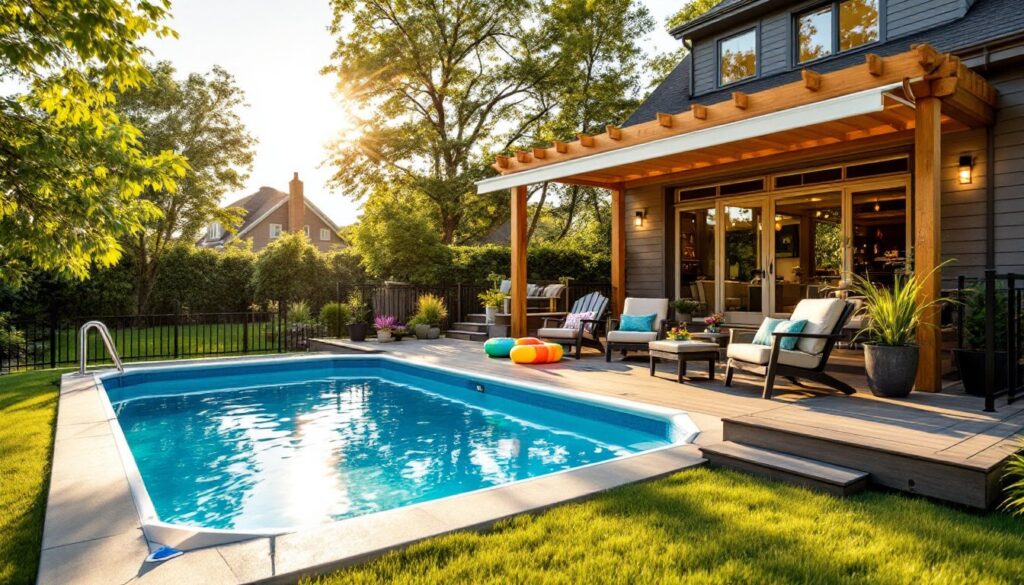
Composite decking has become the go-to choice for pool areas because it handles moisture, UV exposure, and foot traffic without warping, splintering, or requiring annual staining. Unlike pressure-treated wood (which needs refinishing every 2–3 years), composite boards are engineered from wood fibers and plastic resin, creating a stable, long-lasting surface.
Composite decking costs more upfront, roughly $12–$18 per linear foot for mid-range brands versus $6–$10 for treated lumber, but the math changes when you factor in zero maintenance. No stripping, sanding, or staining. A simple annual wash with a garden hose keeps it looking sharp. Products like Trex, TimberTech, and Azek dominate the market, each offering different colorways and finishes. Lighter colors reflect heat and stay cooler underfoot: darker tones hide dirt but absorb more sun.
Installation follows the same joist spacing rules as wood (16 inches on center for most residential loads). Start with a pressure-treated rim joist and ledger board, ensure proper drainage with galvanized flashing beneath, and fasten boards with corrosion-resistant fasteners. If your pool sits on sandy soil, compact it first and use concrete piers to prevent settling. The Composite Decking Alliance publishes installation guidelines that align with IRC standards, so consult those before starting. When planning your backyard decks and patios project, consider how composite suits your climate and maintenance habits.
Shade Structures That Combine Style and Sun Protection
Sun exposure drains pool chemicals, fades furniture, and turns an open deck into an unbearable griddle mid-July. Adding shade isn’t optional, it’s an investment in comfort and utility.
Pergolas and Lattice Canopies
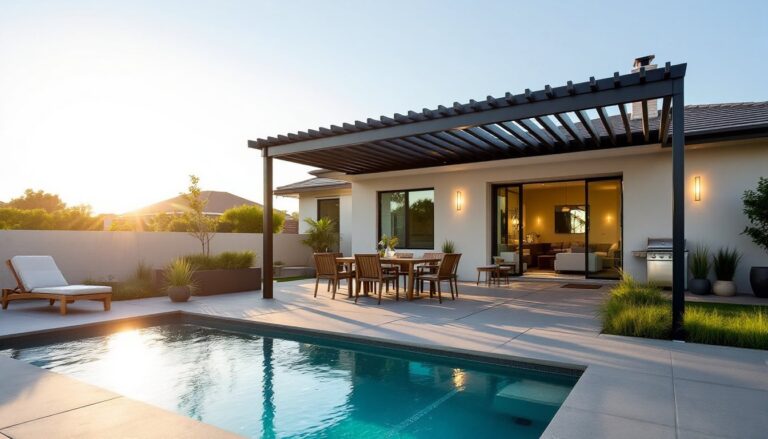
A pergola (open-beam structure) provides partial shade while allowing airflow, keeping the area cooler than a solid roof. A lattice panel canopy mounted across the top filters sunlight without blocking ventilation entirely. Both can be built with 4×4 pressure-treated posts set in concrete footings and attached to a ledger board bolted to your house. Posts should sit on concrete piers, not directly in soil, to prevent rot. Standard spacing between beams is 2–4 feet: closer spacing gives deeper shade but reduces airflow.
For a DIY pergola over a 12×12 deck section, expect to use eight 4×4 posts, matching beams, and cross-bracing. Assembly requires a miter saw for angled cuts, a drill, lag bolts, and a concrete mix. Allow 4–6 hours for layout, digging, and assembly. Lattice panels (available in pressure-treated wood or PVC) slide into a frame and can be swapped out seasonally. If wind is a concern in your region, consult local building codes, pergolas over 15 feet wide may require an engineer’s stamp and a permit.
Retractable Awnings and Shade Sails
Retractable awnings roll up when not in use, giving flexibility and a cleaner look. They’re pricier ($3,000–$8,000 installed) but allow you to open the deck on cool mornings and close it by afternoon. Look for products with motorized controls and wind sensors that retract automatically in high gusts. Installation bolts to house framing or a separate post structure, either way, it must anchor to something solid.
Shade sails are triangular or rectangular fabric structures tensioned between posts. They’re cheaper ($300–$1,500 per sail, installed), modern, and flexible in layout. A single sail provides partial shade: overlapping two or three creates more coverage. Sails must be anchored to ground posts set 3 feet deep in concrete, and the fabric should meet UV-resistance standards. Unlike awnings, sails are permanent, once installed, they’re there all season. Both solutions pair well with composite decking and keep the pool area functional during peak heat hours.
Lighting and Ambiance for Evening Entertaining
A well-lit pool deck extends entertaining into the evening and improves safety around the water. Submerged pool lights are essential: underwater LED fixtures (typically 12V or 120V) create visual interest and make the water glow. Above-deck lighting should focus on steps, railings, and seating areas to prevent trips.
LED string lights hung across a pergola or between posts provide ambient glow without harsh shadows. Solar-powered deck lights ($15–$40 per fixture) screw into joist faces or mount on posts, eliminating wiring hassles. For a polished look, recessed lighting under deck railings casts light downward, these require running low-voltage wiring through the frame during construction. Rope lights tucked under fascia boards offer soft, continuous illumination.
Layering is key: task lighting (overhead, step-mounted), accent lighting (water features, railings), and ambient lighting (string lights, lanterns) together create a balanced, inviting atmosphere. All outdoor wiring should comply with NEC guidelines, use GFCI (ground-fault circuit interrupter) protection for any 120V circuits near the pool. A licensed electrician is worth the cost here: improper wiring near water creates serious safety risks. If budget is tight, start with solar LED steps and string lights, then upgrade to wired fixtures later. Many homeowners planning entertaining upgrades reference outdoor entertaining deck solutions for comprehensive layouts.
Functional Storage and Seating Combinations
Pool decks accumulate gear: floaties, cleaning tools, towels, sunscreen, and toys. Built-in storage keeps clutter off the deck and protects equipment from UV damage. A composite storage bench (decking-matched) seats guests while hiding supplies in a weathertight compartment below. Most DIY versions are simple box frames with hinged lids, built from pressure-treated lumber and topped with composite decking trim. Interior space is typically 2–3 cubic feet, enough for a pool vacuum, replacement chemicals, and seasonal items.
Seating should suit the deck’s size and layout. Adirondack chairs, built-in bench seating along railings, or a small conversation area with a fire table create gathering spots. For a 12×16 above-ground pool deck, a single bench, four chairs, and a side table fit comfortably without feeling cramped. Seating materials matter: composite benches don’t splinter, teak resists moisture, and powder-coated aluminum is lightweight. Avoid plastic furniture directly on composite decking in full sun, it can stain the deck over time.
Storage and seating also anchor the deck’s design. Placing a bench opposite the house creates a focal point: a corner storage box with cushions becomes a lounge. These elements transform a deck from purely functional to genuinely livable. When you’re also considering broader outdoor patio design, exploring designing patios and decks for the home strategies can help integrate storage and seating into a cohesive plan. For homeowners with hot tubs nearby, hot tub decks and patios layouts show similar dual-purpose design principles that maximize small spaces.
Conclusion
Above-ground pool decks don’t have to be an afterthought. Composite materials, strategic shade, thoughtful lighting, and clever storage transform a utilitarian platform into a true backyard living space. Start with one or two upgrades, most homeowners begin with new decking or a pergola, then layer in amenities over time. Good planning and realistic expectations about DIY versus hired help make the difference between a quick weekend project and months of frustration. Your pool deserves a deck that matches the fun it brings.