Table of Contents
ToggleWhen summer rolls around, nothing beats the refreshing splash of a well-maintained swimming pool. But let’s be honest—keeping that oasis sparkling clean can feel like a full-time job. From battling pesky leaves to ensuring the water’s chemistry is just right, pool maintenance isn’t exactly a walk in the park. It’s more like a marathon with a rubber ducky as your cheerleader.
Overview of Swimming Pool Maintenance
Swimming pool maintenance requires consistent attention to keep water clean and safe. Proper management of debris like leaves, dirt, and insects is essential to maintain the pool environment. Weekly skimming prevents buildup, reducing work during peak swimming season. Regularly checking and circulating water also contributes to a healthier pool.
Water chemistry poses another critical aspect of maintenance. Testing pH and chlorine levels ensures swimmers enjoy a safe experience. It’s recommended to aim for a pH level between 7.2 and 7.8. Adjustments, when necessary, keep these parameters in check. Maintaining appropriate calcium hardness and alkalinity protects pool surfaces and equipment.
Filtration systems play a central role in swimming pool maintenance. Running filters for 8 to 12 hours daily helps eliminate contaminants. Additionally, cleaning filters regularly extends their lifespan and enhances efficiency.
Routine maintenance steps don’t end with filtration and water chemistry. Inspecting pool equipment for wear and tear can prevent costly repairs later on. Elements such as pumps and heaters must receive proper care to ensure functionality.
Seasonal maintenance tasks are equally important. In winter, covering pools protects them from debris and minimizes water loss. Opening pools in spring involves thorough cleaning and equipment checks to prepare for summer use.
Understanding these varied aspects simplifies swimming pool maintenance. Keeping a checklist of tasks and establishing a regular schedule ensures the pool remains inviting and enjoyable. Following these guidelines contributes to a safe and pleasant swimming experience.
Essential Pool Maintenance Equipment
Maintaining a swimming pool requires specific tools to ensure proper care and cleanliness. Several essential pieces of equipment make this task more manageable and efficient.
Skimmers and Nets
Skimmers efficiently remove leaves, insects, and debris from the water’s surface. They come in various shapes and sizes, allowing users to choose one that suits their pool dimensions. Nets usually feature fine mesh to capture small particles, while skimmers may have a wider opening for larger debris. Maintaining clean surfaces helps prevent algae growth and keeps the water inviting.
Brushes and Vacuums
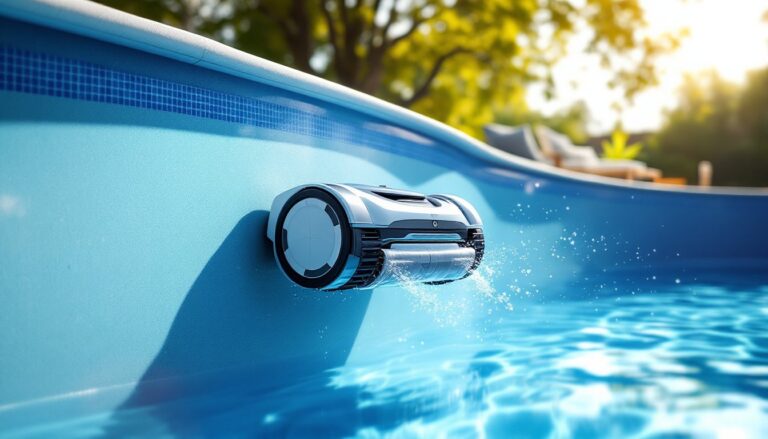
Brushes enable thorough cleaning of pool walls and floor surfaces. They come in manual and automatic options, allowing flexibility based on cleaning preferences and pool types. Manual brushes usually consist of stiff bristles to dislodge dirt, while automatic vacuums efficiently navigate the pool floor, removing unwanted debris. Regular use of these tools prevents buildup that can affect water circulation and clarity.
Water Testing Kits
Water testing kits are essential for monitoring pH levels and chemical balance. Most kits provide easy-to-read strips or reagents, verifying chlorine levels, alkalinity, and pH. Proper water chemistry maintains pool safety and comfort for swimmers. Users should perform tests at least once a week to quickly address imbalances and maintain a healthy swimming environment.
Regular Maintenance Tasks
Regular maintenance tasks ensure a clean and safe swimming environment. Consistent efforts prevent bigger issues and keep pools inviting.
Cleaning the Pool Surface
Cleaning the pool surface involves skimming debris such as leaves and insects. Skimmers efficiently remove floating materials, which helps prevent algae growth. Using nets offers an alternative for larger debris. Pool brushes come in handy for scrubbing the walls and floor, ensuring no dirt remains. Regular surface cleaning typically requires it at least once a week. Automatic pool cleaners simplify this task, making maintenance easier for busy owners.
Checking Water Levels and Chemistry
Checking water levels and chemistry is essential for a safe swimming experience. Maintaining water levels helps prevent pump damage and ensures proper circulation. Ideal pH levels range between 7.2 and 7.8, promoting swimmer comfort and chlorine efficiency. Testing water chemistry weekly allows for timely adjustments of chemicals. Using water testing kits provides clear results, guiding owners in balancing chlorine and alkalinity. Regular monitoring safeguards against potential health risks while enhancing pool enjoyment.
Seasonal Maintenance Considerations
Maintaining a swimming pool requires attention year-round. Seasonal changes bring specific tasks that ensure optimal performance and longevity.
Winterization Steps
Winterization involves several critical steps. First, remove all accessories, including ladders and skimmers. Draining water from the pool below the skimmer prevents ice damage. Next, clean and balance water chemistry to prepare the pool for hibernation. Adding winterizing chemicals helps avoid algae growth during the cold months. After treatment, covering the pool with a durable winter cover shields it from debris. Finally, store equipment in a dry area to extend its lifespan.
Spring Opening Procedures
Spring opening procedures are essential for reviving the pool after winter. Begin by uncovering the pool and removing any accumulated debris. Test and balance water chemistry, aiming for pH between 7.2 and 7.8, and chlorine levels suitable for safe swimming. Next, inspect and reattach all equipment, ensuring filters are clean and functioning. Running the filtration system for 24 hours helps clear cloudy water. Address any repairs to equipment promptly, as early detection prevents larger issues later. With these steps, the pool becomes ready for enjoyable summer swimming.
Common Pool Maintenance Issues
Pool owners often encounter specific issues that require prompt attention to maintain water quality and overall safety. Understanding these problems ensures effective maintenance and enjoyable swimming experiences.
Algae Growth
Algae growth presents a common challenge for pool owners, especially during warm months. This issue occurs when the water lacks adequate sanitizer or proper circulation. Preventing algae involves regular shock treatments and maintaining appropriate chlorine levels, ideally between 1 and 3 parts per million. When algae are present, brushing pool walls and utilizing a vacuum can remove stubborn spots. Keeping the pool clean by skimming debris and checking pH levels can further deter algae outbreaks. Consistent monitoring is key to avoiding this problem.
Equipment Malfunctions
Equipment malfunctions can disrupt pool maintenance and lead to costly repairs. Problems often arise from worn-out filters, pumps, or heaters. Inspecting these components regularly helps identify issues before they escalate. Noise from the pump may indicate a need for repair, while a cloudy pool often signals filtration problems. Ensuring that the filtration system runs for 8 to 12 hours daily enhances performance and prevents equipment strain. Addressing these malfunctions promptly maintains pool efficiency and safe swimming conditions.
Maintaining a swimming pool is an ongoing commitment that requires diligence and care. By staying proactive with regular cleaning and water chemistry checks pool owners can enjoy a safe and inviting swimming environment all summer long. The right tools and consistent attention to detail make a significant difference in preventing larger issues down the line.
With proper care and seasonal preparations pool maintenance can become a manageable task rather than an overwhelming chore. Embracing these practices not only enhances the pool experience but also prolongs the life of the equipment. Ultimately a well-maintained pool is a source of joy and relaxation for everyone.