Table of Contents
ToggleImagine stepping into your backyard oasis, where the sun shines down on a perfectly designed patio and deck. It’s not just a space; it’s the ultimate escape from the daily grind. Whether it’s hosting summer barbecues or enjoying a quiet evening under the stars, a well-planned outdoor area transforms any home into a haven of relaxation and fun.
Designing patios and decks isn’t just about slapping down some boards and calling it a day. It’s an art form that combines aesthetics, functionality, and a sprinkle of your personality. With the right approach, you can create a space that’ll have your neighbors peeking over the fence in envy. So grab your design hat and let’s dive into the world of outdoor creativity, where every square foot can be a masterpiece waiting to happen.
Understanding Patios and Decks
Patios and decks serve as essential outdoor spaces, each with unique characteristics and functions. Knowing their differences enhances the design process.
Difference Between Patios and Decks
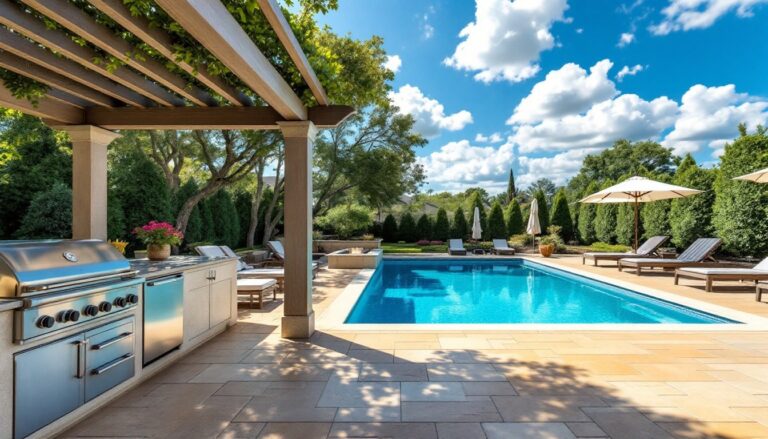
Patios consist of flat surfaces typically made of concrete, stone, or pavers. They sit directly on the ground and offer easy access from the home. Decks feature elevated structures often built from wood or composite materials. Constructed above the ground, decks usually connect to an upper level of a home. While patios integrate seamlessly with landscaping, decks provide scenic views and serve as platforms for entertaining. Both options enhance outdoor living, appealing to different preferences and needs.
Benefits of Outdoor Spaces
Outdoor spaces provide ample opportunities for relaxation and recreation. Access to fresh air promotes overall well-being, contributing to reduced stress levels. Social gatherings thrive in these environments, fostering connections among family and friends. Properly designed patios and decks add value to a home, increasing its market appeal. They encourage outdoor activities, from dining to gardening, enhancing lifestyle quality. Furthermore, these areas allow for creative expression, empowering homeowners to personalize their environments.
Key Considerations in Designing Patios and Decks
Designing patios and decks involves several essential factors for maximizing enjoyment and functionality. Careful planning ensures these spaces meet aesthetic and practical needs.
Space and Layout Planning
Space and layout significantly influence the overall design of patios and decks. Begin by measuring the area to determine the best size and shape for the space. Consider existing structures, landscaping, and the intended use. For instance, a layout with distinct zones—such as dining, lounging, or gardening—creates a more functional environment. Accessibility plays an important role as well; paths should connect seamlessly to the home and other areas. Engaging with a landscape designer can help streamline the planning process and optimize the use of available outdoor space. Effective space planning maximizes comfort and usability for relaxing or entertaining.
Choosing the Right Materials
Choosing materials affects not only the aesthetics of patios and decks but also their durability and maintenance. Popular options for patios include concrete, stone, and pavers, each offering unique visual appeal and longevity. Decks frequently utilize wood or composite materials, providing versatility in design and resilience against weather elements. When selecting materials, consider the climate, desired upkeep level, and personal style. For example, composite decking requires less maintenance than traditional wood, making it ideal for busy homeowners. Additionally, selecting materials that complement the home’s exterior can enhance overall curb appeal and create a cohesive appearance. Quality materials ensure a long-lasting investment in outdoor living spaces.
Popular Design Styles
Various design styles enhance patios and decks, each serving unique aesthetic and functional purposes.
Modern and Minimalist Designs
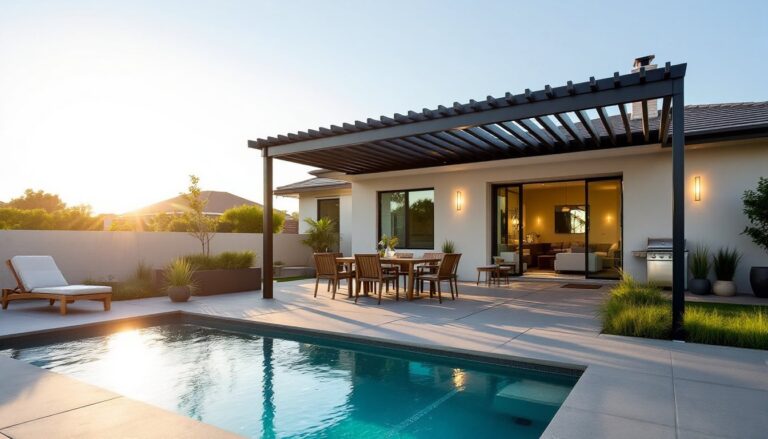
Clean lines characterize modern and minimalist designs. These designs emphasize simplicity, focusing on open spaces and uncluttered layouts. Concrete slabs or composite materials often form the foundation, offering durability and style. Furniture pieces integrate seamlessly with the surroundings, featuring sleek profiles and neutral colors. Plants in geometric planters accentuate the space, bringing nature into the design. This approach encourages relaxation while maintaining a sophisticated look, appealing to homeowners who appreciate understated elegance.
Rustic and Traditional Styles
Rustic and traditional styles draw inspiration from natural elements and classic design principles. Wood beams and stone pavers create a warm and inviting atmosphere. This design often incorporates vintage furniture with intricate details, providing character to the space. Earthy color palettes complement the organic materials, enhancing the comfortable feel. Fire pits and cozy seating arrangements encourage moments of togetherness and relaxation. Such designs evoke nostalgia, allowing homeowners to create intimate outdoor experiences reminiscent of a classic countryside retreat.
Coastal and Beach-Inspired Designs
Coastal and beach-inspired designs evoke a serene, laid-back vibe. Light, airy colors like soft blues and sandy beiges dominate the palette. These designs typically feature weather-resistant materials, ensuring longevity against the elements. Accents such as woven furniture and nautical decor enhance the theme, creating an inviting atmosphere. Large umbrellas and lounge chairs encourage relaxation, ideal for sun-soaked afternoons. Bringing in natural textures and ocean-inspired hues fosters a peaceful retreat reminiscent of seaside living.
Enhancing Functionality and Comfort
Outdoor spaces benefit greatly from strategic design choices that emphasize comfort and utility. Patios and decks transform into functional retreats through careful selection of furniture and decorative elements.
Adding Furniture and Decorations
Furniture selection greatly impacts the usability of patios and decks. Choose weather-resistant options like aluminum and teak for durability. Incorporate items such as lounge chairs, dining tables, and sectionals to accommodate various activities. Add cushions in vibrant colors to create a warm, inviting atmosphere. Decorative elements, such as outdoor rugs and planters, can enhance visual appeal while providing comfort. Utilize these accessories to personalize the space, maximizing its potential for relaxation and gatherings.
Incorporating Lighting and Heating
Effective lighting elevates the ambiance of outdoor spaces. Install string lights or lanterns for a festive touch. Consider solar-powered fixtures for energy efficiency and low maintenance. Spotlights enhance architectural features and plants, creating an inviting layout after sunset. Heating options like patio heaters or fire pits extend the usability of these areas into cooler months. Both components create a cozy atmosphere where social gatherings can flourish, ensuring outdoor enjoyment year-round.
Designing patios and decks opens up a world of possibilities for homeowners seeking to enhance their outdoor living experience. By thoughtfully considering design elements and personal style preferences, they can create inviting spaces that serve as perfect retreats.
Choosing the right materials and layout not only boosts aesthetic appeal but also ensures functionality and durability. With the right furniture and lighting, these outdoor areas can become year-round destinations for relaxation and socializing.
Ultimately, a well-designed patio or deck reflects individual tastes while providing a serene escape from daily life. Embracing creativity in these spaces can lead to a beautiful and enjoyable outdoor oasis.