Table of Contents
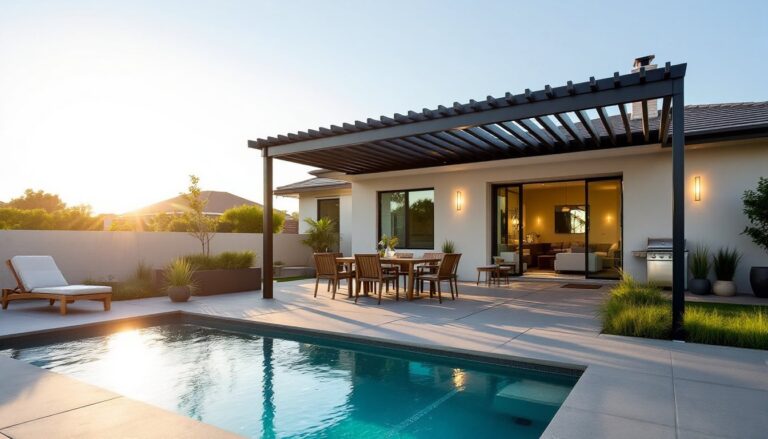
TogglePicture this: a warm summer evening, the sun setting just right, and your friends gathered on your stunning outdoor deck. Sounds perfect, right? Decks, patios, and railings aren’t just home additions; they’re gateways to unforgettable memories. Whether it’s hosting a barbecue or enjoying a quiet moment with a book, these outdoor spaces elevate everyday life.
Overview of Home Outdoor Decks, Patios, and Railings
Outdoor decks, patios, and railings transform backyards into functional living spaces. Decks provide a raised surface ideal for entertaining and enjoying sunrises or sunsets. Materials such as wood, composite, and PVC enhance durability and aesthetic appeal. Patios offer a ground-level option, often constructed with stone, brick, or concrete, designed for open-air dining or relaxation.
Railings ensure safety and style, framing decks and patios while holding occupants inside secure areas. Various styles include traditional wood, metal, and glass options, catering to different designs and preferences.
These outdoor features create versatile environments for both leisure and gatherings. Homeowners can customize spaces using furniture, lighting, and landscaping to reflect personal taste. Additionally, outdoor cooking stations like grills or fire pits augment the utility of these areas, making them hotspots for family and friends.
Investing in quality materials and craftsmanship enhances longevity while increasing property value. Regular maintenance helps preserve these spaces, ensuring they remain inviting year-round. Whether for morning coffee or sunset gatherings, outdoor decks, patios, and railings significantly improve everyday life, serving as essential elements of modern homes.
Types of Decks
Outdoor decks come in various types, each offering unique features and benefits. The choice of material and design can enhance functionality and aesthetic appeal.
Wooden Decks
Wooden decks provide a classic and natural look. They often feature materials like cedar, redwood, or pressure-treated lumber. Durability is a key advantage, especially with proper maintenance, including sealing and staining every few years. These decks can be easily customized with treatments that enhance their color and texture. Cost-wise, wooden decks typically range from $15 to $30 per square foot. Their warmth and beauty make them popular among homeowners seeking a rustic charm.
Composite Decks
Composite decks consist of a mixture of wood fibers and recycled plastic, offering a sustainable option. Unlike wood, they require minimal maintenance, as composite materials resist fading, staining, and rotting. The longevity of these decks stands out, with lifespans often exceeding 25 years. Prices for composite decking vary, ranging from $20 to $45 per square foot. Versatility also plays a role, as they come in various colors and textures, allowing homeowners to select styles that match their properties seamlessly.
Designing Your Patio
Designing an outdoor patio involves thoughtful consideration of materials and layout. Effective planning enhances the space, making it both functional and visually appealing.
Material Options
Materials play a vital role in patio design. Stone, brick, and concrete are popular choices due to their durability and aesthetic appeal. Concrete patios often come in stamped or stained varieties, offering a customizable look that mimics other materials. Natural stones like flagstone and slate add elegance and uniqueness but can be more expensive, with costs ranging from $10 to $30 per square foot. Bricks provide a classic appearance, generally costing between $8 to $15 per square foot. Each material brings different textures and colors, impacting the overall design significantly.
Layout Considerations
Layout affects how well a patio functions as an outdoor space. First, consider the intended use, whether for dining or relaxation. Arranging furniture ergonomically promotes ease of movement. Zoning the area with defined spaces can enhance functionality, creating distinct spots for cooking, lounging, or socializing. Adding pathways improves flow, connecting the patio to gardens or decks. Providing shade, such as with umbrellas or pergolas, contributes to comfort during sunny days. Accurate measurements ensure enough space for furniture and landscaping, creating a balanced and inviting environment.
Choosing the Right Railings
Railings enhance safety while adding style to outdoor spaces. Selecting the right railings requires consideration of safety regulations and materials that match the design of the deck or patio.
Safety Regulations
Safety regulations dictate that railings must meet specific height and strength requirements. Typically, railings should stand at least 36 inches high for decks. Local building codes can vary, so consulting with the local authority ensures compliance. While vertical balusters must have space gaps no greater than 4 inches, this prevents small children from slipping through. Additionally, durable materials are essential for structural integrity, particularly in high-traffic areas where stability is crucial.
Material Choices
Material choice significantly affects both the look and longevity of railings. Options include wood, metal, and composite materials. Wood railings, often made from pressure-treated lumber or cedar, lend a natural aesthetic to outdoor areas but require regular maintenance. Metal railings, whether aluminum or wrought iron, provide strength and a modern touch while resisting rust and corrosion. Composite materials blend durability with low upkeep. Each choice varies in cost, typically ranging from $20 to $100 per linear foot. Hence, evaluating the style, maintenance needs, and budget ensures selecting the most suitable railing material.
Maintenance Tips
Proper maintenance ensures outdoor decks, patios, and railings remain safe and visually appealing. Regular attention prevents deterioration and enhances longevity.
Cleaning and Care
Cleaning outdoor surfaces removes dirt and debris. For wooden decks, use a soft broom or power washer on a low setting to avoid damage. Composite materials can be cleaned with soap and water. Patios require sweeping and occasional pressure washing to maintain their appearance. Railings also need attention, particularly to remove grime and ensure safety. Inspect for loose components and tighten them regularly. All cleaning solutions should be environmentally friendly to avoid harming plants.
Seasonal Preparations
Preparing for each season optimizes outdoor areas. Before winter, clear decks and patios of furniture and planters to prevent damage from freezing temperatures. Apply a water-repellent sealant on wooden surfaces to reduce moisture absorption. Spring cleanup involves inspecting for wear and tear, cleaning thoroughly, and applying fresh stains or sealants as needed. For summer, ensure railings are secure and paint or finishes are intact to withstand the heat. Each seasonal transition requires proactive measures to maintain the functionality and aesthetics of the space.
Outdoor decks patios and railings are more than just home features; they’re gateways to enhanced lifestyles. By investing in these spaces homeowners create environments that foster connection relaxation and enjoyment. The right materials and thoughtful design choices elevate both functionality and aesthetics making these areas truly special.
Regular maintenance ensures that these outdoor spaces remain safe and inviting for years to come. With proper care and attention homeowners can enjoy beautiful outdoor living areas that not only boost property value but also enrich everyday life. Embracing the joys of outdoor living is a step toward creating lasting memories in a personal oasis.