Table of Contents
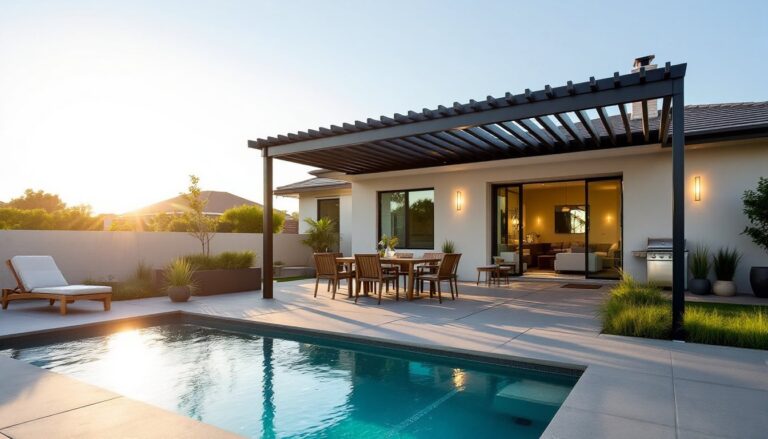
ToggleImagine stepping into your backyard and feeling like you’ve just entered a luxurious resort. With the right deck or patio, that dream can become a reality. Home improvement isn’t just about fixing leaks or painting walls; it’s about creating a space that reflects personality and invites relaxation.
Overview of Hobbies and Home Improvement
Home improvement encompasses a range of activities aimed at enhancing living spaces. Improving outdoor areas like decks and patios can transform a simple backyard into a coveted leisure space. Personal projects emphasize creativity and satisfaction, integrating personal style and practical functionality.
Hobbies related to home improvement can include gardening, woodworking, or DIY decor projects. Gardening allows individuals to cultivate vibrant landscapes, providing a peaceful retreat. Woodworking can produce unique, handcrafted furniture or decorative items, enriching interior spaces.
Utilizing specific tools and materials is essential in home enhancement projects. Selecting high-quality lumber ensures durability in deck construction. Choosing versatile patio furniture can accommodate various social gatherings, enhancing the outdoor experience.
Community involvement in home improvement often prevails through workshops or local groups. Participating in home improvement classes can develop skills and provide valuable experiences. Sharing knowledge with neighbors fosters relationships while improving neighborhood aesthetics.
Moreover, exploring design trends can inspire fresh ideas for enhancements. Modern trends often emphasize sustainable materials and efficient layouts for outdoor designs. Innovative aesthetics, like minimalist styles, can also resonate with those pursuing streamlined looks.
Ultimately, hobbies aimed at home improvement lead to enriched living experiences. Those projects create not only visually appealing spaces but also encourage well-being and relaxation. Engaging in these activities nurtures a personal connection to the home, establishing a sanctuary for individuals and families alike.
The Importance of Decks and Patios
Decks and patios serve as essential extensions of indoor living, enhancing functionality and enjoyment. Well-designed outdoor spaces encourage relaxation and social interaction while increasing the overall aesthetic appeal of a property.
Benefits of Outdoor Living Spaces
Outdoor living spaces provide numerous advantages. These areas offer a serene environment for unwinding and connecting with nature. Families can enjoy meals outdoors, fostering an atmosphere of togetherness. Hosting gatherings becomes effortless, as guests appreciate the blend of comfort and fresh air. Maintenance of these spaces typically requires less effort compared to indoor areas. Quality materials ensure longevity, supporting diverse activities from barbecuing to gardening. Emphasizing sustainability, modern designs reflect eco-friendly choices and energy efficiency. Family members can engage in hobbies like outdoor decorating or landscaping, further enhancing their connection to nature.
Increasing Property Value
Investing in decks and patios significantly boosts property value. Homebuyers regularly seek well-designed outdoor spaces that extend living areas. A functional outdoor area enhances curb appeal, making a lasting first impression. Completing a deck project can yield returns above 70% of the investment upon resale. Local market demands often favor homes that prioritize outdoor functionality, making them more desirable. Quality craftsmanship attracts potential buyers, as they envision personalizing the space with their style. Sustainability features, such as eco-friendly materials and efficient design, contribute to increased property value. Homeowners maximize their return on investment through thoughtful design and material selection.
Popular Design Trends for Decks and Patios
Designing decks and patios involves contemporary trends that enhance both functionality and aesthetics. Homeowners prioritize durable materials and appealing finishes that not only look great but also withstand the elements.
Materials and Finishes
Composite wood ranks high for its longevity and low maintenance. It resists fading and scratching, making it ideal for high-traffic areas. Natural stone adds a touch of elegance, providing a timeless appeal. Concrete surfaces, often stamped or stained, offer versatility in design, allowing for various styles and patterns. Metal accents, like railings and furniture, introduce modern and sleek elements. Eco-friendly materials, including bamboo and recycled products, reflect a commitment to sustainability while ensuring durability.
Color Schemes and Aesthetics
Neutral tones dominate the color palettes, promoting calmness and relaxation. Shades of gray, beige, and taupe create serene backdrops that can harmoniously blend with nature. Bright colors often accent details like furniture or decor, adding personality and vibrancy. Pastel hues are popular, especially in beach settings, capturing a softer and inviting atmosphere. Furthermore, contrasting colors also draw attention to architectural features, creating a dynamic visual experience. Homeowners commonly experiment with varied textures, enhancing the overall aesthetic appeal.
How to Plan Your Deck or Patio Project
Planning a deck or patio project requires careful consideration of various elements to create an ideal outdoor space. Begin by evaluating the potential of the area.
Assessing Your Space
Evaluating the dimensions of your yard provides crucial insights into the type of deck or patio that fits your home. Consider existing landscaping features like trees and pathways, which may influence design choices. Understanding sunlight patterns throughout the day helps in selecting appropriate materials and furniture for the space. Additionally, determine any zoning regulations or property lines that might affect where the structure can be built. A professional assessment might enhance the evaluation process by offering expert advice tailored to specific needs.
Budgeting for Your Project
Setting a budget is essential for a successful project. Outline the costs of materials, labor, and additional features like lighting or landscaping. Research prices for various materials, such as composite wood and natural stone, to identify affordable options. Allocating a contingency fund of 10% to 20% for unexpected expenses can ensure financial flexibility. Prioritize essential elements while remaining within budget constraints for a straightforward approach. A detailed budget plan allows homeowners to balance aesthetics with practicality while still achieving their vision.
DIY vs. Professional Installation
Deciding between DIY and professional installation affects both project outcomes and investment. Homeowners must weigh various factors like skill level, time availability, and desired results.
Pros and Cons of DIY
Engaging in DIY projects offers unique benefits. Cost savings represent a primary advantage, as homeowners can save significantly on labor expenses. Satisfaction from completing a project also contributes to personal fulfillment. However, DIY carries risks, including the potential for mistakes that may lead to costly repairs. Lack of experience can result in an unpolished finish or subpar quality. Time commitments can stretch, especially for larger projects, which may not align with schedules. Assessing individual skills and resources remains vital for a successful DIY experience.
When to Hire a Professional
Hiring a professional often proves necessary in specific situations. Complex projects, like structural installations or electrical work, demand expertise and safety protocols. Professionals possess the tools and knowledge needed to navigate local codes and regulations effectively. Homeowners should consider their time constraints as well; professionals can streamline the process, ensuring timely completion. If projects seem too overwhelming or stressful, enlisting help can alleviate that burden. Ultimately, weighing project complexity against personal capabilities aids in making an informed decision.
Maintenance Tips for Your Outdoor Spaces
Caring for outdoor spaces enhances their longevity and aesthetic appeal. Regular maintenance ensures decks and patios remain inviting.
Seasonal Care Instructions
Spring cleaning signifies the right time to inspect surfaces for wear or damage. Wooden decks benefit from a thorough wash using a soft brush and mild cleaner to remove dirt and grime. Staining or sealing every two to three years provides protection against weather-related wear. In summer, regular sweeps eliminate debris that can harbor moisture, fostering mold growth. Autumn requires removing leaves to prevent staining and moisture retention. Winter presents unique challenges, so clearing snow off surfaces prevents unnecessary stress and ensures safety during icy conditions.
Long-term Improvements
Investing in enduring improvements maximizes outdoor space utility. Durable materials such as composite decking withstand weather changes and require minimal maintenance. Incorporating proper drainage systems prevents water accumulation, reducing the risk of structural damage. An overhead structure like a pergola offers shade while extending outdoor use into hotter months. Lighting installations enhance ambiance, allowing evening gatherings to thrive while ensuring safety. Additionally, planting native greenery around decks and patios can improve aesthetics and decrease yard maintenance efforts.
Creating a well-designed deck or patio can transform any backyard into a personal oasis. With the right approach to planning and design, homeowners can enhance their outdoor spaces for relaxation and social gatherings.
Investing time in hobbies like gardening and woodworking not only adds character but also fosters a deeper connection to the home. Quality materials and thoughtful design choices ensure these spaces remain functional and appealing for years to come.
By embracing modern trends and sustainable practices, individuals can enjoy beautiful outdoor areas that elevate their living experience while potentially increasing property value. Engaging in home improvement projects ultimately leads to a more fulfilling and enjoyable home life.