Table of Contents
ToggleImagine lounging by your sparkling pool on a hot summer day, cocktail in hand, while your neighbors gaze enviously from their yards. A pool isn’t just a place for cannonballs and poolside barbecues; it’s a lifestyle upgrade. But does that splashy oasis really add value to your home?
In real estate, a pool can be a double-edged sword. While it might make your property the hottest ticket in town, it could also leave potential buyers feeling lukewarm. From the joy of hosting epic pool parties to the maintenance headaches that keep you up at night, the impact of a pool on your home’s value is worth diving into. So, let’s take the plunge and explore if that backyard paradise is a wise investment or just a watery dream.
Overview of Pool Value
A swimming pool can serve as an enticing feature for many homebuyers, enhancing the property’s appeal. Numerous studies indicate that the presence of a pool can increase a home’s value by up to 7%. Such a percentage reflects the demand in markets where warm climates prevail, contributing to higher resale values.
In contrast, not every market sees the same results. Some regions consider pools a liability due to their maintenance requirements. Potential buyers might view pools as costly additions, detracting from the overall value if they perceive upkeep as too burdensome.
Location plays a crucial role in determining the impact of a pool on property value. Homes situated in areas with high temperatures may see greater returns on investment, while cooler regions might not experience similar benefits.
Local preferences also affect how a pool adds value. Families with children often seek homes with pools for recreational purposes. On the other hand, seniors or buyers unfamiliar with pool maintenance may prioritize properties without pools.
It’s important to consider the type of pool as well. Inground pools provide a more significant value increase compared to above-ground options. A well-designed landscape surrounding the pool can further enhance its contribution to home value.
Ultimately, understanding the local market helps sellers make informed decisions about pool installations. The potential benefits of adding a pool depend heavily on various factors, including geographic location and buyer demographics.
Factors Influencing Home Value
Location significantly impacts how a swimming pool affects home value. Homes in warmer climates with longer swim seasons tend to see higher value increases from pools. In areas where summer temperatures consistently rise, pools are often considered desirable amenities. Buyers in these regions actively seek homes with pools, enhancing their willingness to pay more.
Home market trends also play a crucial role in determining pool value. In a booming real estate market, a pool can add substantial value, sometimes up to 7%. Conversely, in slower markets, potential buyers may view a pool as an extra maintenance burden. Additionally, buyer demographics may influence pool desirability; families with children might favor yards featuring pools for recreation, while empty nesters might prioritize low-maintenance options. Understanding these trends aids homeowners in making informed decisions about pool installations.
Types of Pools and Their Value Impact
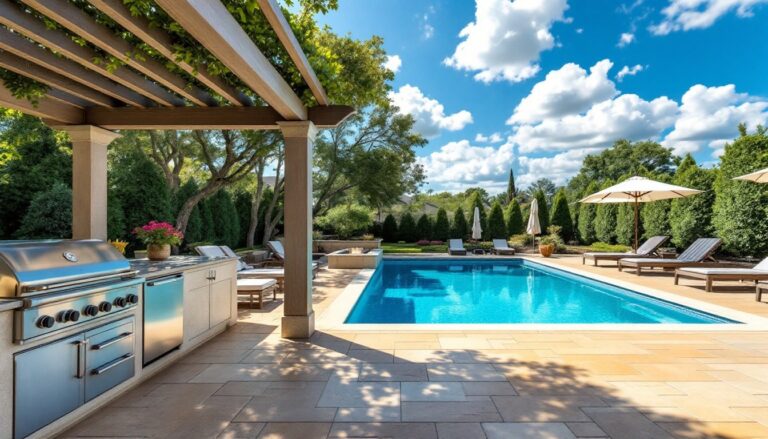
Different types of pools impact home value in various ways. In-ground pools typically enhance the aesthetic and functional appeal of a property. This form of pool often increases a home’s value by an average of 5% to 7%. Using high-quality materials can elevate this percentage, especially in hot climates where swim seasons are long. Buyers often favor in-ground pools for their permanence and custom features. Such installations tend to signify a commitment to outdoor living, attracting families and lifestyle-oriented buyers.
Above-ground pools, on the other hand, usually present a different scenario. Most properties see a lower valuation increase when featuring an above-ground option. Buyers may perceive these pools as temporary or less desirable. While costs associated with above-ground pools are lower, potential buyers might prioritize other home improvements. They can serve as a recreational option but often hold less value compared to in-ground varieties. In summary, the impact of each pool type on home value varies significantly, making informed decisions vital for homeowners.
Cost vs. Value Analysis
Understanding the cost versus value dynamic of a swimming pool is crucial for homeowners considering installation. Both installation and maintenance contribute significantly to the overall financial picture.
Installation Costs
Installation costs for a swimming pool can vary widely based on type and materials. In-ground pools typically range from $35,000 to $65,000, depending on custom features and landscaping. Above-ground pools, on the other hand, present a more budget-friendly option, costing between $1,500 and $15,000. Choosing high-quality materials and proper design can influence costs further. While quality can add value, it’s essential to evaluate how these installation expenses fit within the homeowners’ overall budget and the expected return on investment.
Maintenance Costs
Maintenance costs also play a vital role in evaluating pool ownership. Annual upkeep for in-ground pools averages around $3,000 to $5,000, while above-ground options often come in at lower figures, about $1,200 to $2,000. These expenses encompass cleaning, chemical balancing, and repairs. Additionally, homeowners need to consider factors such as location and climate, which can impact maintenance needs and costs. A well-maintained pool can enhance home value, making it imperative for homeowners to factor these ongoing expenses into their decision-making process.
Benefits of Having a Pool
Having a pool brings several advantages to homeowners, enhancing both property value and lifestyle. Homeowners enjoy opportunities for leisure and relaxation, making their outdoor spaces more inviting.
Lifestyle Appeal
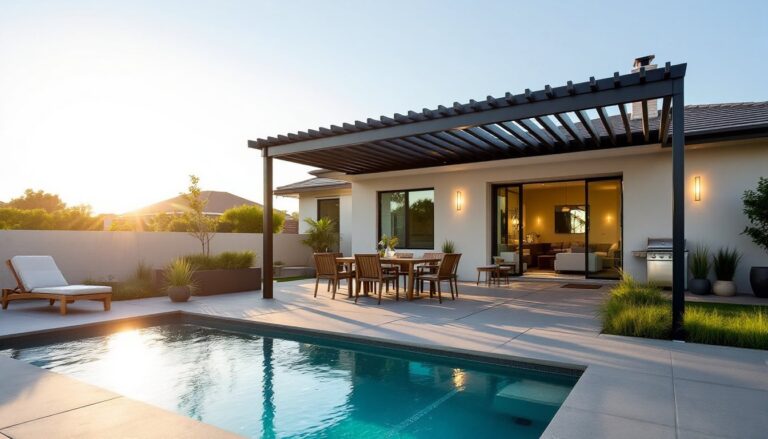
A swimming pool significantly elevates the lifestyle of homeowners. Families can host gatherings, barbecues, and celebrations, creating lasting memories. On warm days, pools provide a refreshing escape, making outdoor living more enjoyable. Buyers often view pools as desirable features, particularly in regions with warmer climates. Homeowners appreciate the aesthetic appeal of a well-landscaped pool area, enhancing the overall beauty of their property. Additionally, having a pool encourages outdoor activities and fosters a healthier lifestyle through swimming and exercise.
Potential for Rental Income
A pool can also serve as a source of rental income for homeowners. Many people seek vacation rentals with pools, especially in desirable locations. Homes equipped with pools often attract higher rental rates, increasing property appeal to potential vacationers. Short-term rental platforms report that listings featuring pools enjoy increased booking rates compared to those without. Renting out a home with a pool can yield substantial profits during peak seasons, making it a lucrative investment. Homeowners looking to maximize their property’s earning potential frequently consider the addition of a swimming pool.
A swimming pool can be a valuable asset for homeowners, especially in warmer climates where outdoor living is a significant part of life. It offers both lifestyle benefits and the potential for increased property value. However, the decision to install a pool should be carefully considered against local market trends and buyer preferences.
While in-ground pools generally enhance property appeal and value, above-ground options may not provide the same return on investment. Homeowners should weigh the costs of installation and maintenance against the potential benefits. Ultimately, a well-maintained pool can elevate a home’s attractiveness, making it a worthwhile investment for those who prioritize outdoor enjoyment and lifestyle enhancement.